

Hedge Fund Pitch: Theranos, but for AI
These things always look obvious in hindsight.
The chatter I have been hearing from the West Coast among the intelligentsia goes something like this:
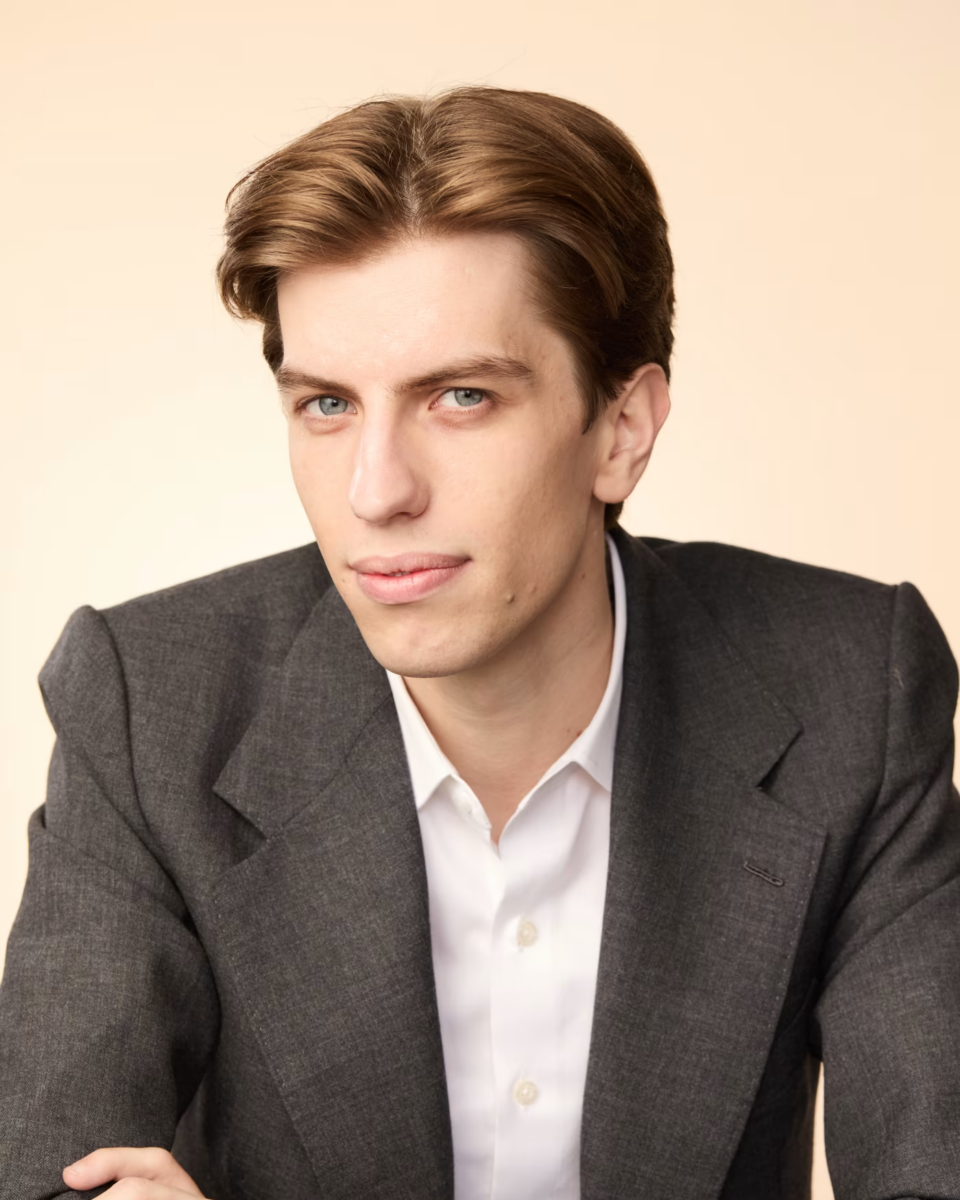
Smart 24-year-old and former OpenAI researcher writes a 164-page missive about the future of AI in 2024. He has some insights, is plugged in — his fiancée (wife?) is Chief of Staff at Anthropic (Wedding is allegedly OMG this weekend). He has great connections to insiders at AI firms who want to get liquid; the capital that wants these shares always seems to find the person who can grease the skids.
What sounded like a side hustle becomes a real fund, with lots of big players wanting access to those early-stage AI shares.
Someone suggests taking all of this newfound private infrastructure getting built — LPs, cash flow, and a staff of 8 — and adding a public fund as well. People love to say the four most dangerous words are “It’s different this time,” but there are many other short phrases just as dangerous.
A billion or so dollars quickly becomes ~$20 billion.
Paul Kedrosky of SK Ventures likes to point out “This seems kinda the same” is a lesser-known but just as dangerous utterance.
For me, the phrase that never pays is “How hard can it be?”
By now, you have surmised I have been discussing Leopold Aschenbrenner and his AI hedge fund Situational Awareness, the fund that blew up spectacularly this week, selling (if that’s the correct word) its entire portfolio to Citadel.
These things cannot come undone without leverage and plenty of it. The story circulating is that leveraged ETFs were juiced with 4X borrowed money.
Equity crashes bruise, leverage crashes maim.
In June — but a month ago — he was being lauded in places like the WSJ as a wunderkind.
“Prescient stock picks and whooshes of inflows have vaulted its assets under management to more than $20 billion, according to people familiar with the matter, approaching the size of Bill Ackman’s Pershing Square and Dan Loeb’s Third Point.
Situational Awareness has gained about 270% after fees this year through May and is up more than 1,000% after fees since inception, one of the people said. One of the fund’s most successful bets is a stake in Anthropic that today accounts for about one-fifth of its assets, the person said.”
Let the FOMO begin! Just don’t dig too deep into the details:
“Aschenbrenner had no professional investing experience when he launched his AI-focused firm, Situational Awareness, less than two years ago, with a few hundred million dollars.”
What could wrong? Just because he had no experience with full market cycles, the fund did not live through a major correction or drawdown, it was launched in 2024 — right in the middle of three consecutive years of 25% market gains. And if I may hypothesize a bit: Not a lot of experience with risk management, leverage, hedging, or anticipating a market with some price sensitivity.
Look, this was (more or less) inevitable. It reminds me of George Gilder’s Telecosm: As he was blowing up, he infamously claimed “I don’t do price.”
The irony here is that a fund named after World War Two fighter pilots’ perception of threats from 360 degrees around them was undone by a giant blind spot for the risks of leverage.
The reality is, when these events occur, price is the only thing that matters…
Previously:
Purposeless Capital (April 2, 2021)
See also:
The 24-Year-Old AI Wiz Who Counts Jane Street as an Investor
By Peter Rudegeair
WSJ, June 8, 2026
Citadel Buys Situational Awareness’s Stock Portfolio After Big Losses in AI
By Gregory Zuckerman , Peter Rudegeair and Anissa Gardizy
WSJ, July 30, 2026
