

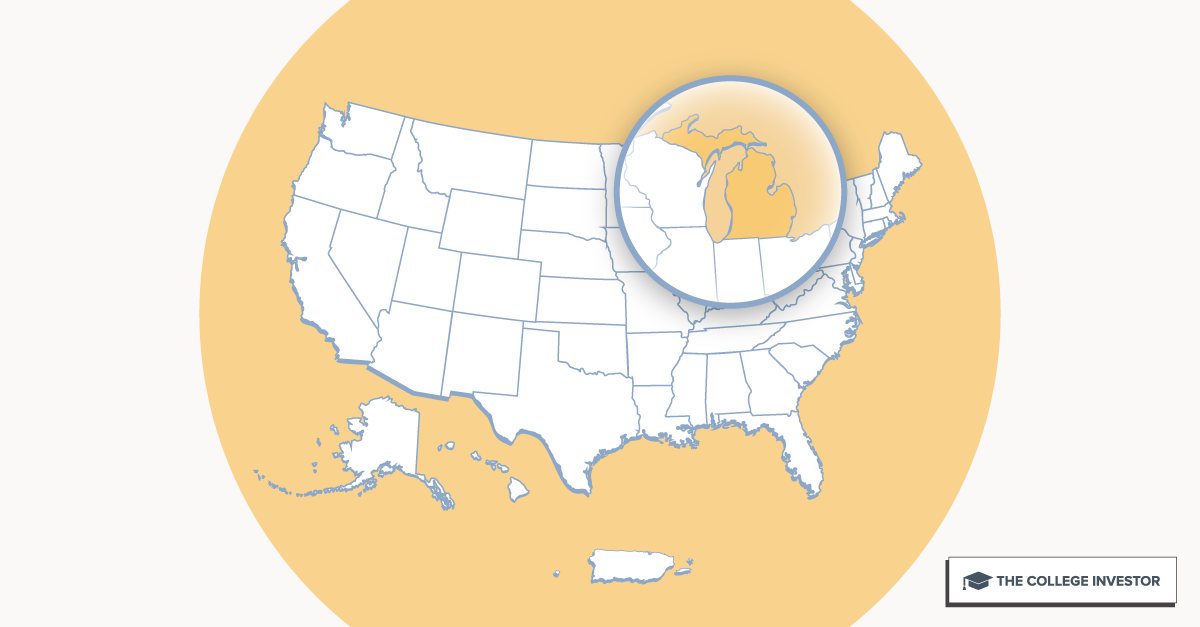
Michigan high school seniors can now get admitted to college without applying. The Michigan College Access Network (MCAN) opened its new MI College Match portal on Aug. 26, 2026, and 21 public and private colleges have signed on to send direct admission offers to students who fill out a free profile.
Students upload a transcript, answer a few questions about their interests and preferences, and wait for offers to arrive. There are no essays, no letters of recommendation, and no application fees.
The first deadline is September 21. Students who complete a profile by then will receive their first round of acceptance letters by Oct. 5, and will be entered for a chance at a $5,000 scholarship through the program. Students who sign up later still get offers, released on a monthly basis.
Why It Matters
The college application process can be a massive challenge, and it’s the most impactful to first generation students who don’t have support to walk through the process.
MCAN Executive Director Ryan Fewins-Bliss put it this way in the launch announcement: “When colleges say, ‘We want you here, and you’re already admitted,’ it changes the entire conversation around postsecondary education.”
Michigan’s colleges also have an enrollment problem to solve. The Common App logged a record 10.8 million applications last cycle, but 41% of member colleges still received fewer applications than the year before, with small private schools losing the most ground.
In-state tuition at Michigan’s public four-year universities averages about $14,500, and 59% of Michigan graduates leave with debt. Participating colleges can attach scholarship offers to their admission letters, so a student may learn what a school will actually cost before deciding whether to engage with it at all.
Participating Colleges
As of Aug. 28, 2026, the MI College Match participating colleges page lists 21 schools. It’s important to note that the state’s flagship (The University of Michigan’s Ann Arbor campus) is not among them, and each school sets its own admission criteria. Kalamazoo College said the program changes how students find the school, not who gets in.
- Albion College
- Alma College
- Aquinas College
- Baker College
- Bay College
- Calvin University
- Cleary University
- Davenport University
- Great Lakes Christian College
- Kalamazoo College
- Lake Michigan College
- Monroe County Community College
- Montcalm Community College
- Oakland University
- Saginaw Chippewa Tribal College
- Schoolcraft College
- Spring Arbor University
- University of Detroit Mercy
- University of Michigan-Dearborn
- University of Michigan-Flint
- The University of Olivet
How This Connects
Direct admission is growing nationwide. California’s SB 640 takes the CSU system’s direct admission pilot from 43 school districts to all 937 by fall 2027, covering 16 of 23 campuses for students with a 2.5 GPA and the A-G course sequence.
Michigan’s model is different: it’s run by a nonprofit rather than the legislature, includes private colleges, and uses the same EAB matching software behind the Alabama Direct Admission Initiative, which sent more than 141,000 offers to over 18,000 students in its first year.
What’s Next
Watch the participating college count. The list already grew from 20 to 21 in the last two days, and MCAN is pushing the program through its 355 K-12 partner sites.
The bigger signal is whether Michigan’s remaining public universities, especially the larger regional campuses, join the program. Seniors who want to apply should build their application timeline around that date.
Robert Farrington is the founder of The College Investor and is widely recognized as one of the nation’s leading voices on student loan debt and saving for college. He holds an MBA from UC San Diego Rady School of Management and has spent over 15 years researching, writing, and advising on student loans, 529 plans, financial aid programs, and saving and investing for young professionals.
Robert has been featured in the The New York Times, The Wall Street Journal, The Washington Post, NBC News, and Forbes, where he has been a regular personal finance contributor for over a decade. His work combines both professional expertise and personal experience – he successfully navigated his own student loan repayment journey and has helped thousands of readers do the same.
He is committed to making the intersection of personal finance and education transparent and accessible. You can learn more about Robert on the About Page or on his personal site RobertFarrington.com.
