

In This Article
Editor’s Note: Thanks for reading! As a special offer for our readers, save $100 on your ticket to BPCON2026—BiggerPockets’ annual real estate investing conference—using code MYRE100 at checkout.
The housing inventory blues could soon be a thing of the past, according to a new report from the Mortgage Bankers Association (MBA) entitled “Implications of a Persistent Slowing Housing Demand,” signaling a new era of lower prices and better deals for investors.
MBA chief economist and senior vice president Mike Fratantoni argues that supply could outpace demand due to changes in population dynamics, construction trends, and affordability challenges. He said in a press release:
“Over the past several years, growth in housing demand has slowed as new housing supply has entered the market in many regions. While affordability challenges remain significant, MBA’s research highlights the importance of looking beyond today’s market conditions to understand the long-term forces shaping housing demand. These findings can help industry participants and policymakers better prepare for future changes in housing and mortgage market dynamics.”
Demographic Shifts Will Lead to a Surplus of Houses
The paper—which was co-authored with several of Fratantoni’s MBA colleagues—found that after the 2008 financial crisis, limited new construction pushed up rents and house prices, resulting in a shortfall of up to 7 million homes.
The COVID-19 pandemic and extremely low mortgage rates further increased demand, driving housing prices and rents higher until a tipping point arrived, when the mass construction of multifamily housing in the Sunbelt slowed the pricing roller coaster.
This increase in new apartment buildings has eased the affordability crisis in some parts of the Sunbelt, though other parts remain woefully unaffordable. However, demographic shifts, specifically an aging population, lower fertility rates, and reduced immigration, could all play a part in slowing demand and increasing inventory in the next decade.
The paper’s authors project that nearly 23 million units will be added over the next two decades, with demand calling for 19.4 million, leaving a surplus.
“If construction remains elevated, supply growth could outpace demand growth, pushing home prices lower,” the report said.
Inventory Is Climbing
Signs of a shift in housing inventory, particularly in new construction, are now evident, according to Reuters. Sales of new single-family homes have fallen for the last two consecutive months, while the number of new houses for sale has increased to levels not seen since the aftermath of the 2008 financial crisis.
However, affordability is still keeping prospective buyers on the sidelines. “There are not enough homes on the market, and those that are listed are at mostly unaffordable levels,” Christopher Rupkey, chief economist at FWDBONDS, told Reuters. “The housing price bubble is still inflating, at a slower rate of advance than it had been, but home prices overall are still moving higher, except for some regional markets that had seen prices run up too high.”
A recent Bank of America Institute report showed that affordability remained the main obstacle for potential homebuyers, with 47% of consumers citing high interest rates as one of the main factors delaying their homebuying, up from 40% in 2025.
Inflation Will Keep Buyers Away
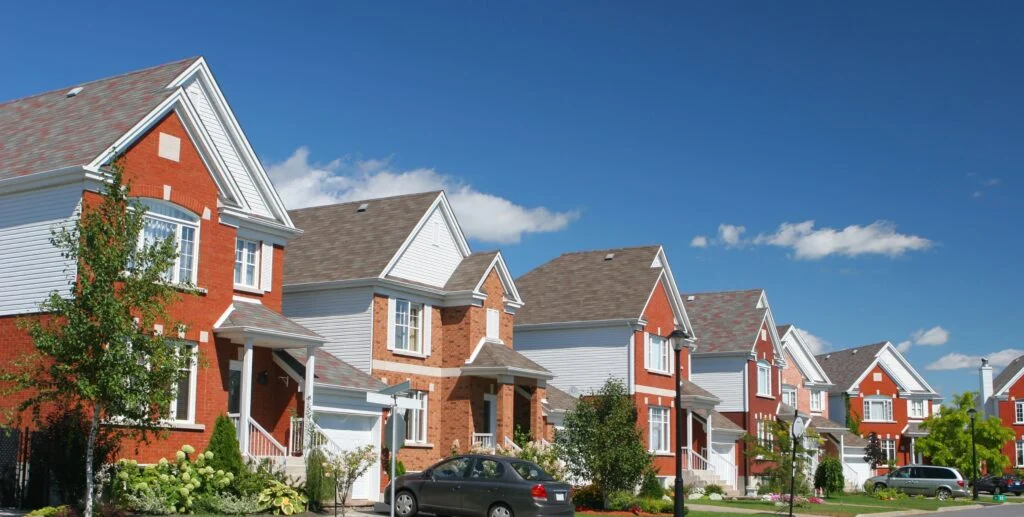
The implications of the increase in new construction homes for sale and the inability for would-be buyers to purchase them are particularly significant for small investors. This is likely to continue, with projects started over the last year yet to come to market, further contributing to a potential housing glut of new construction homes.
“Unfortunately, builders may have jumped the gun in assuming that their inventory problems were over, no doubt penciling in a better spring selling season than what has transpired,” Stephen Stanley, chief U.S. economist at Santander U.S. Capital Markets, told Reuters. “We could see a leveling off before the end of the year, but with demand for new homes tepid…it is beginning to look like we may have to wait for 2027 to get to a long-awaited improvement in the housing market.”
As global financial market analyst Fitch Ratings put it, when referring to the U.S. market, “inflation is pushing mortgage rates higher, decreasing affordability and eroding demand.”
What This Means for Small Investors
For investors looking to buy new construction homes at deep discounts, there has never been a better time to strike a deal with builders. According to the latest Wells Fargo Housing Market Index (HMI) survey, 35% of builders cut prices in June, up from 32% in May. The average price reduction was 6%, the same as the previous month.
You might also like
In addition, 62% of builders used sales incentives to sweeten the pot for buyers (rate buydowns, finished basements, extra rooms, etc.). It marks the 15th consecutive month this share has gone 60% or higher. Rising material costs, high interest rates, and affordability challenges were cited as key reasons builder sentiment remained low about potential sales.
Final Thoughts
Pessimism amongst builders was reflected in May’s new home sales, which fell 7.3% over April’s numbers. According to Census and HUD data shown on HousingWire, 15% of sales were under $300,000, consisting of townhouses and duplexes on smaller lots—although homes with lower price points are less likely to open to negotiation.
Still, lower-priced homes are more likely to cash flow. The added benefit is that new construction is less likely to need ongoing maintenance and will be in high demand from potential renters.
Investors have to calculate cash flow based on potential rents in the area. Higher-priced homes could still work if rents are higher and builders are willing to negotiate. However, investors should be wary of any salesperson who begins a sentence by saying, “When rates come down…”
