

Key Takeaways
- Gas prices are drifting lower nationwide, but costs still vary widely depending on where you live or travel.
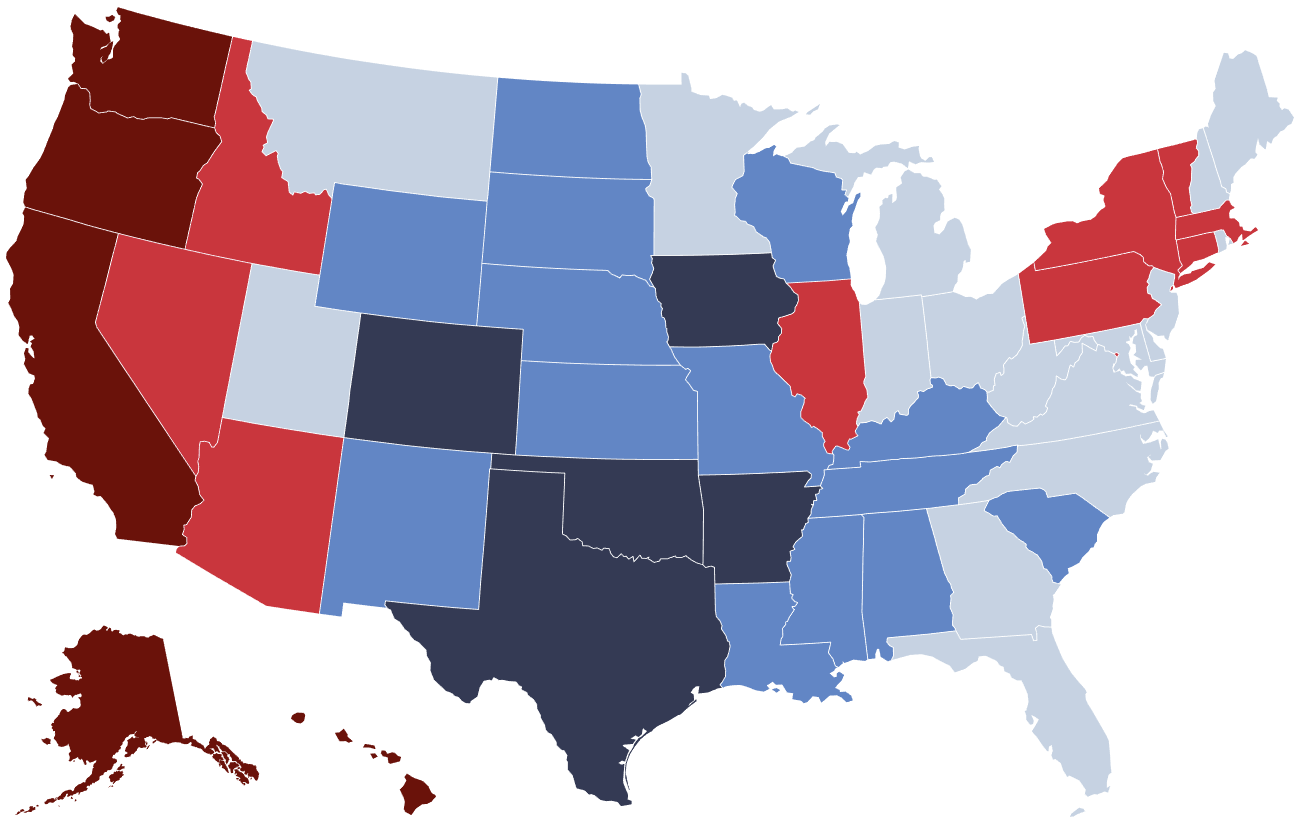
- Today’s data shows big gaps, with Oklahoma, Texas, and Colorado among the cheapest states—around $2.50 a gallon or less—and Hawaii, California, and Washington all above $4.00.
- AAA offers several tips for gas savings, from smoother driving and regular maintenance to trip planning that helps stretch every tank.
The national average price for regular gas is $2.93 today, based on AAA’s daily State Gas Price Averages for Dec. 12. That’s down from $2.98 a week ago and $3.08 a month ago, continuing a steady slide that’s leaving drivers with a little more room in their budgets. Prices are also lower than this time last year, when the national average was $3.03, offering some relief heading into the holiday season.
Fast Fact
The highest recorded national average for regular unleaded gasoline was $5.02 on June 14, 2022.
Where Gas Is Cheapest—and Most Expensive—Right Now
The cheapest gas prices in the country today are mostly clustered in the South and Midwest. Oklahoma has the lowest statewide average by far at $2.36 per gallon. That’s followed by Texas, Colorado, and Iowa, all at $2.51, and Arkansas close behind at $2.52.
On the opposite end, three states now average more than $4 a gallon: Hawaii at $4.45, California at $4.40, and Washington at $4.04. Rounding out the top five are Oregon at $3.65 and Alaska at $3.63.
Why This Matters to You
Seeing how your state stacks up helps you understand whether local prices are unusually high or right in line with the national picture. It can also help you plan smarter for upcoming travel.
Why Gas Prices Differ by State
According to the U.S. Energy Information Administration, fuel taxes are one of the biggest reasons gas prices vary across the country. In 2023, taxes made up more than 14% of the average price per gallon, and because some states add far more in taxes and fees than others, that difference can show up quickly at the pump.
Prices also vary based on proximity to refineries and pipelines, as well as whether a state requires special fuel blends that cost more to produce and transport.
Take California, for example. Its gasoline prices are often higher—and more variable—because the state requires a unique cleaner-burning fuel blend that only relatively few refineries produce. California also has one of the highest gasoline taxes in the country.
How To Save on Gas Wherever You Live
AAA highlights several ways you can improve your fuel efficiency to keep your gas costs down, regardless of where you live.
Driving habits: Smooth, steady driving can significantly improve your fuel economy. Slowing down and easing into starts and stops reduces the fuel your engine burns, and using cruise control on open highways can help maintain a more efficient speed.
Vehicle maintenance: Staying up-to-date on your vehicle’s maintenance keeps engines running efficiently and prevents wasted fuel. AAA recommends checking tire pressure regularly, keeping up with oil and filter changes, and addressing engine warning lights quickly to avoid issues that can reduce mileage.
Trip planning: Thinking ahead can cut unnecessary miles and lower fuel use. Combining errands into a single trip, avoiding extended idling, and using air conditioning only when needed can all help stretch a tank further, according to AAA.
