

Key Takeaways
- Iceland leads the Global Peace Index 2025 for unmatched safety and stability.
- Retirees face $3,885 monthly living costs for one person, including rent, far higher than the average in the U.S.
Iceland tops the 2025 Global Peace Index (GPI) as the world’s most peaceful nation, thanks to its very low crime rates, minimal militarization, and lack of internal or external conflicts.
For retirees craving a drama-free life, Iceland’s safety sounds like a strong draw to the island nation. But sky-high costs and brutal winters are likely to shatter that dream.
What Makes a Country the ‘Most Peaceful’?
The Institute for Economics & Peace’s annual GPI evaluates 163 countries based on 23 indicators that fall into three categories: societal safety, ongoing conflicts, and militarization.
Iceland has been at the top of the list for 17 straight years. Beyond its very low crime rate, Iceland offers retirees a society built on trust—neighbors look out for each other, and the country consistently tops global rankings for gender equality and quality of life.
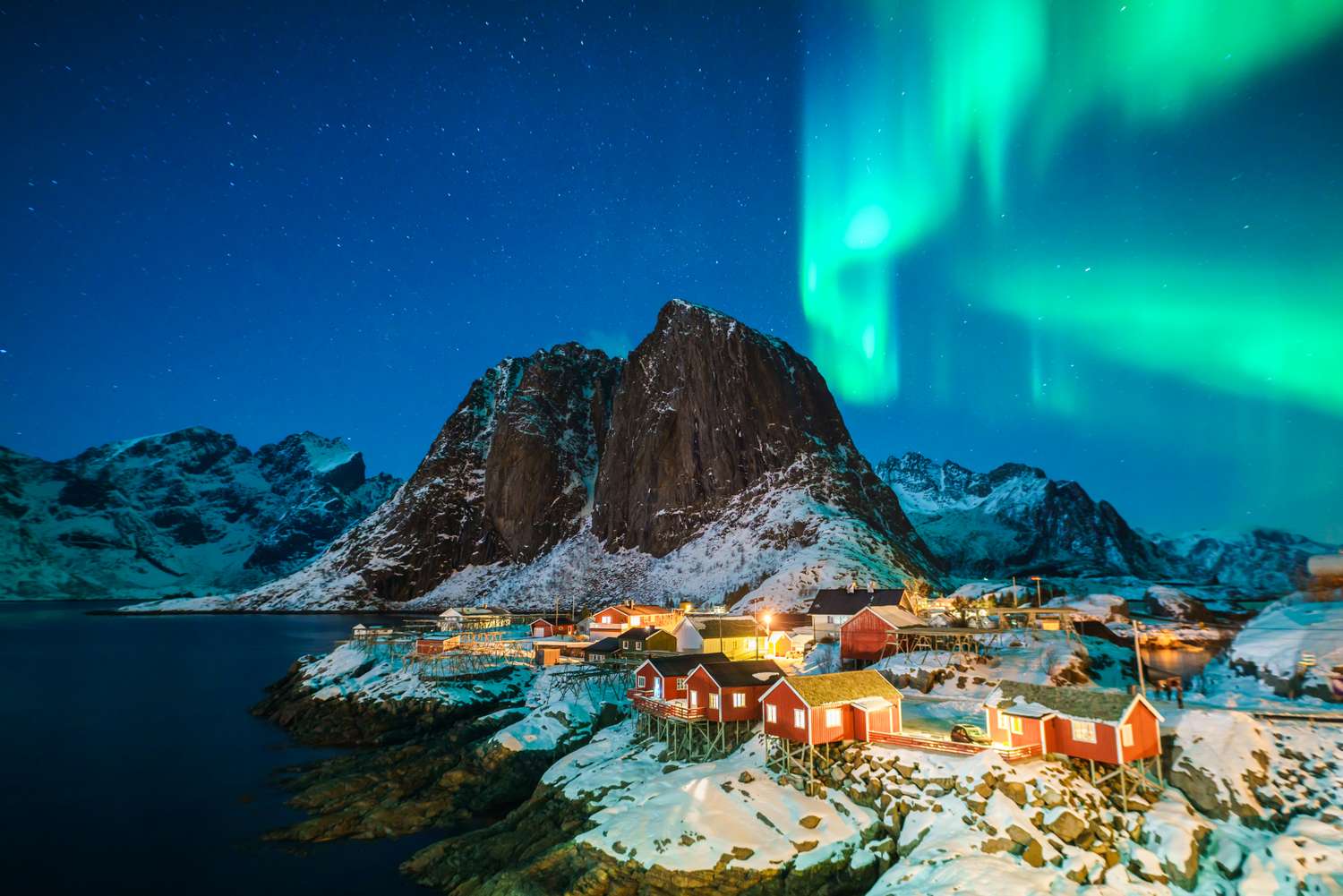
Grimsey Island, perched on the Arctic Circle, hosts one of Iceland’s largest puffin colonies each summer—a bucket-list draw for retirees who love birdwatching but perhaps not worth Iceland’s high cost of living for others.
murat4art / Getty Images
Iceland’s Retirement Hurdles
Peace delivers what many retirees crave: pristine air, endless hiking trails, and communities where neighbors check on each other without prying. Iceland ranked third in the 2025 World Happiness Report, and you can see why: geothermal pools, midnight sun summers, and cafes with ocean views where police sirens never interrupt your coffee. If safety tops your list, this seems like bliss.
But peace doesn’t pay the bills. A single person needs about $3,268 monthly in Reykjavik, including rent, putting it in the top 1% of the world’s most expensive cities and 30% higher than the U.S. average. Groceries run significantly higher thanks to import costs, and a modest one-bedroom apartment starts around $1,850.
Health care is universal after six months of residency, with out-of-pocket costs capped at around $180–$250 monthly, but you’ll need private insurance to bridge the gap—and specialist waitlists can stretch for months.
Tip
Want peace without the price tag? Portugal (No. 7 on the Global Peace Index) and Ireland (No. 2) both made International Living’s top retirement destinations, with prices far lower than Iceland’s high cost of living.
The Cold Hard Facts About Iceland
Winters bring only four to five hours of daylight in December—the sun rises around 11 a.m. and sets by 3:30 p.m.—with temperatures hovering around 0°C (32°F), though wind chill makes it feel colder. Summers are mild but brief, averaging 12–18°C (54–64°F). If seasonal darkness balanced by summer months with days lasting into the wee hours isn’t your thing, this isn’t your paradise.
In addition, Iceland doesn’t have a dedicated visa for retirees. Americans can stay 90 days visa-free, then must apply for a “financially independent” residence permit—proving self-sufficiency of at least 247,572 ISK (about $1,750) monthly for individuals, plus private health insurance and secured housing.
Permanent residency requires four years of continuous stay and completing a 150-hour Icelandic language course—good luck learning a language that doesn’t borrow terms, so “computer” is tölva, a mashup of “number” and “prophetess.”
The Bottom Line
Iceland offers retirees unmatched peace and nature’s therapy, ideal if you’ve got a good amount saved and embrace hygge (coziness) over beach vibes. You’ll need to weigh your tolerance for a higher cost of living and long, dark winters against your need for a safer living environment.
