

Key Takeaways
- Buffett stepped down as Berkshire Hathaway’s CEO Jan. 1, ending 60 years atop the $1.1 trillion conglomerate.
- The final tally: Berkshire stock gained 134 times more than the broader market. If investors in the S&P 500 climbed a hill, investors in Berkshire scaled Everest.
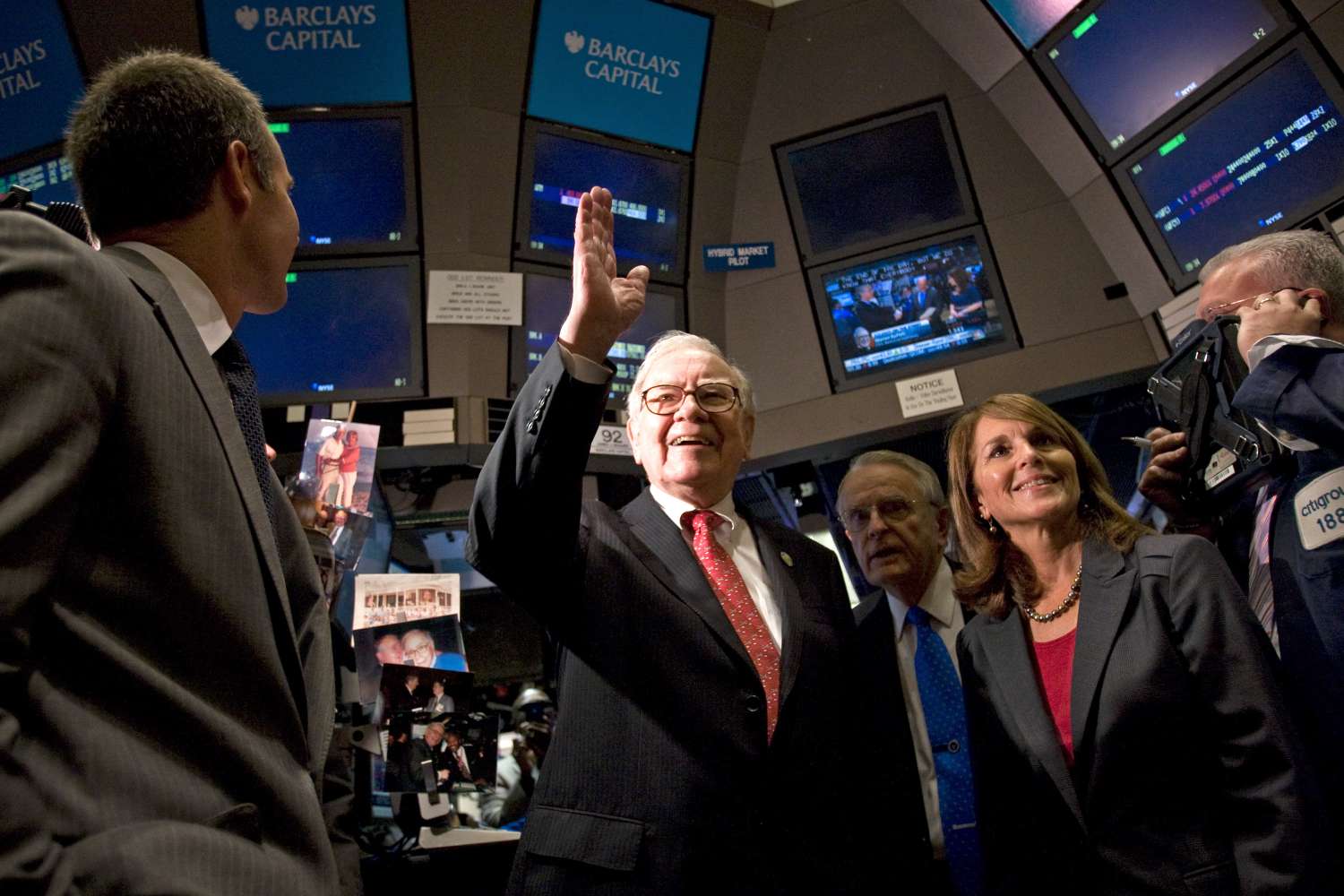
Now that Warren Buffett is out as CEO at Berkshire Hathaway, it’s time to tally the remarkable run he presided over.
Wall Street investors tracked his every trade. Everyday Americans made him a hero for talking about business the way your friend might—while making billions doing it. And now, after a transition years in the making, Buffett says he’s “‘going quiet.’ Sort of.”
New CEO Greg Abel pilots a firm Buffett built from a failing textile mill into a $1.1 trillion conglomerate that owns everything from railroads hauling America’s freight to Dairy Queen.
Buffett the Stock Picker
Shares of Berkshire Hathaway (BRK.A) recorded average annual returns of 19.9% during Buffett’s time at the helm, compared with 10.4% for the S&P 500. That gap may not seem like the stuff of an oracle, but compound it over 60 years and the difference is astronomical.
While Berkshire is a holding company that owns several well-known brands, it is most-closely followed by investors for the non-controlling stakes it has acquired under Buffett’s stewardship in companies such as Coca-Cola (KO), Apple (AAPL), Bank of America (BAC), American Express (AXP) and Chevron (CVX).
Quarterly releases that disclose any changes in Berkshire’s stock holdings are eagerly anticipated by investors who are looking to glean insights into Buffett’s feelings about a wide range of companies and sectors. The performance of Berkshire stock—which has slumped since Buffett last May announced he would be stepping down—has been considered a proxy for how investors viewed his acumen as a portfolio manager.
Other Wall Streeters built legends around big annual returns: George Soros is said to have averaged about 30% at Quantum, but only over 30 years while delegating many investing picks. Peter Lynch averaged 29.2% annually at Fidelity’s Magellan Fund. But Buffett was at it a dozen years before Lynch started—and kept going 35 years after Lynch retired.
Buffett liked to say the stock market transfers money “from the impatient to the patient.” He would know: 99% of his net worth came after he turned 52.
How Berkshire’s Gains Stacked Up
Let’s compare Berkshire’s stock gains to those of the S&P 500. If you invested $100 in the index in 1964 and did nothing but reinvest your dividends, you’d have more than $43,000 today.
Here’s the same chart put up against Buffett’s Berkshire Hathaway over the same period.
Berkshire had its worst year against the market in 1999. With tech stocks defying gravity, Berkshire shares lost 20% as the S&P surged 21%. But Buffett’s skittishness about the dot-coms—stocks he said he didn’t understand—paid off. Berkshire soon posted major gains while the tech collapse vaporized portfolios holding the likes of pets.com.
Buffett did it again and again: winning big, taking shallow losses, and then, during a market mania, making what critics called undue caution look like wizardry.
