

Key Takeaways
- Inflation decelerated significantly between September and November, with annual “core” inflation falling to its lowest since 2021.
- Housing inflation slowed dramatically, and prices for clothing and hotel rooms fell, pushing down overall inflation.
- Economists were skeptical of the data since the Bureau of Labor Statistics’ price survey was disrupted by the government shutdown in October and November.
Inflation fell to its lowest in years in November, according to one important measure.
Consumer prices rose 2.7% over the 12 months through November, the Bureau of Labor Statistics said Thursday. That was down from a 3% annual increase in September and lower than the 3.1% increase forecasters had expected, according to a survey of economists by Dow Jones Newswires and The Wall Street Journal. “Core” inflation, which excludes volatile prices for food and energy, rose 2.6% over the year, down from a 3% annual increase in September and hitting its lowest since 2021.
The reduction in core inflation was especially notable because economists consider core inflation measures to be a more accurate indicator of price trends. Food and gas prices can fluctuate for reasons unrelated to broader inflation trends.
What This Means For The Economy
If it’s not reversed in the coming months, the sudden decline of inflation in November could mark a turning point in the trajectory of the economy, signaling the uptick of inflation caused by tariffs is fading.
Inflation decelerated because of falling prices for hotel rooms, recreation, and clothing, and a relatively small increase of 0.2% in shelter prices between September and November.
“At face value, the signal is positive and suggests we may be past the peak in inflation,” Oren Klachkin, financial markets economist at Nationwide, wrote in a commentary. “However, the latest data demands more nuance than usual, given sampling and data collection issues caused by the government shutdown.”
Indeed, Thursday’s report had been delayed by just over a week because of the government shutdown in October and November, and the bureau did not publish a report for October’s prices.
Potential distortions in the data due to the shutdown caused some economists to take Thursday’s report with a grain of salt. The bureau started collecting prices in late November, when holiday sales were underway, for instance.
“The canceling of the October report makes month-on-month comparisons impossible, for example, while the truncated information-gathering process, given the shutdown, could have caused systematic biases in the data,” Kay Haigh, global co-head of fixed income and liquidity solutions at Goldman Sachs Asset Management, wrote in a commentary.
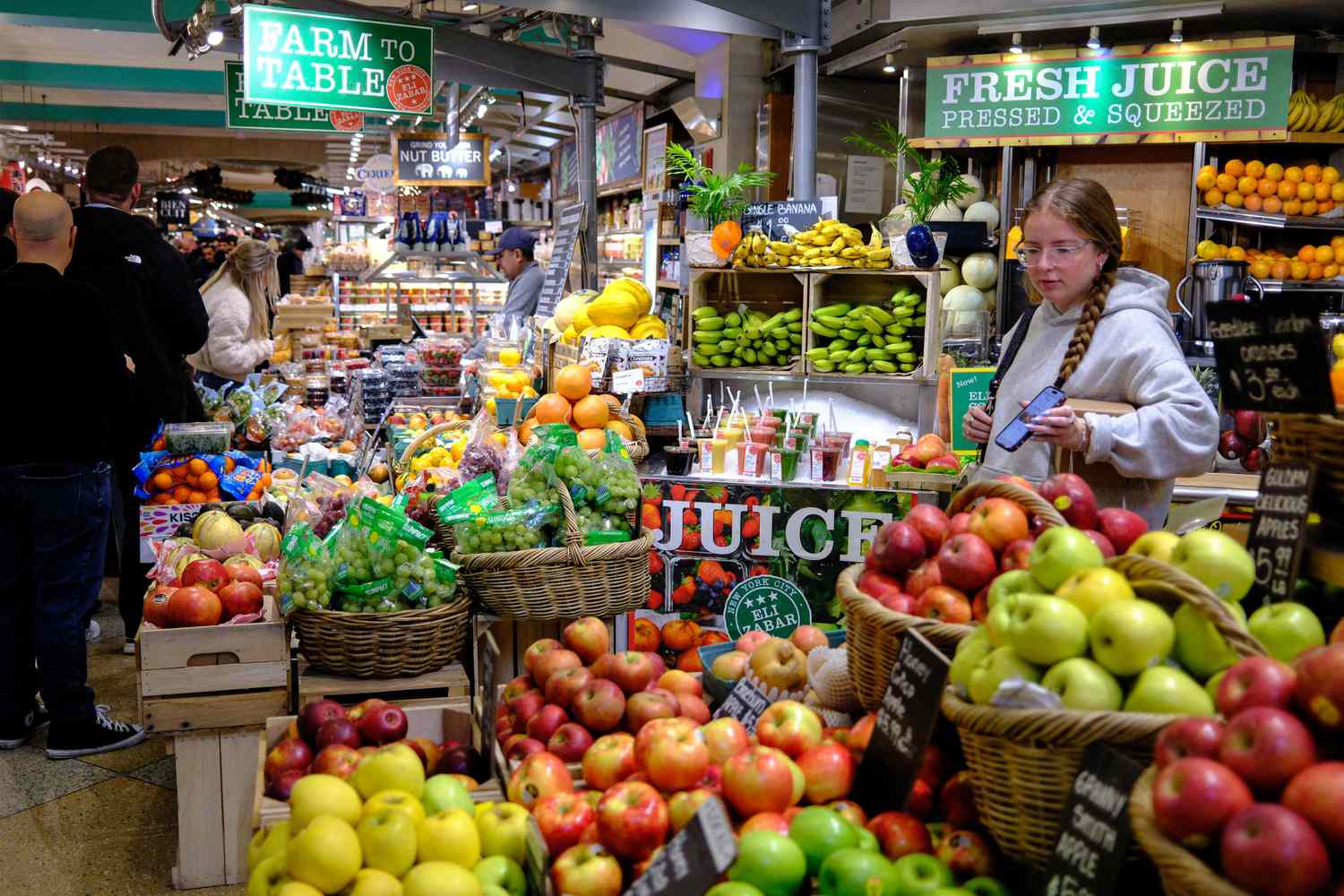
Grocery prices rose 1.7% over the year in November, the lowest annual inflation since February, although the figure provoked some skepticism from economists.
“It’s hard to read too much into the November inflation data,” Heather Long, chief economist at Navy Federal Credit Union, wrote in a commentary. “The shutdown clearly had a big impact on data collection. Inflation did not suddenly improve a lot between September and November. Anyone who has been to the grocery store or paid a utility bill knows this.”
Update, Dec. 18, 2025: This article has been updated with more information from the CPI report and commentary from economists.
