

Key Takeaways
- Travel enthusiasts are drawn to Brazil for its incredible landscapes and historic sights, but inflation and crime can make retiring there more difficult than a short-term stay.
- Even with a designated path to citizenship, Brazilian immigration can be slow and stressful to navigate.
- Despite being the largest country in South America, Brazil is the only Latin American nation with Portuguese as its official language, an added linguistic hurdle for most Americans.
Travel + Leisure has named Brazil its 2026 Destination of the Year for its extravagant festivals, diverse landscapes, and flavorful cuisines. If you’re attracted to Brazil’s rich cultural roots and have an adventurous spirit, here’s how Brazil stacks up as a retirement destination.
Is Brazil a Good Place to Retire?
Brazil is home to about 213 million people, and about 10% of the population is age 65 or older. With an annual population growth of about 813,000 people, Brazil is welcoming of newcomers but can be strict and bureaucratic for those obtaining long-term visas.
To live in Brazil longer than 90 days as a retiree, you’ll need a special retiree visa that you can apply for. To get it, you must show you have a monthly income of at least $2,000. You’ll also need proof you’re retired, have a clean FBI criminal background check, and have health insurance for providers in Brazil. There are also digital nomad and investor visas available.
While the process looks straightforward online, applying for visas can often be drawn out by the bureaucracy at Brazil’s consulates.
Revelers holding up drums at a 2025 Carnival celebration.
Rafael Martins / Getty Images
Adventure and Annual Attractions
From the Amazon rainforest to over 4,600 miles of Atlantic coastline, Brazil delivers adventure. You’ll find endless opportunities for rafting, hiking, sailing, and even zip lining through some of the world’s most stunning natural environments. But you can also choose quieter locales not too far from the beach and the sounds of waves crashing nearby.
Brazilians put on extravagant festivals and parties throughout the year. Known to tourists worldwide, here are some of the most popular celebrations:
- Carnival: As Brazil’s largest festival, Carnival is filled with bright costumes, parades, street parties, and much more. Although Carnival is celebrated across the country, the most famous festival is in Rio de Janeiro.
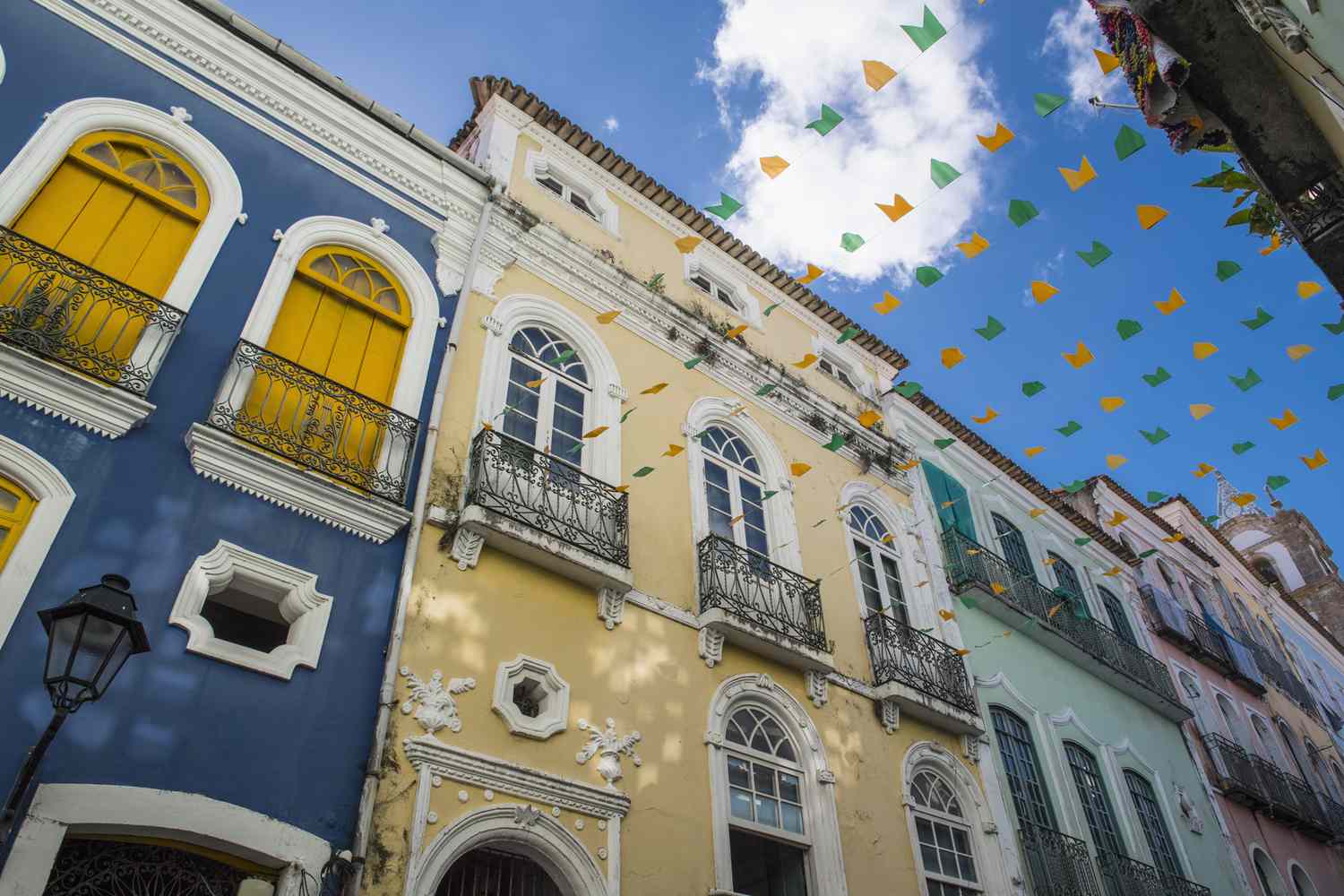
- Festa Junina: This is Brazil’s second-largest festival. A tribute to the summer solstice, this midsummer celebration involves dancing, traditional straw hats, and large gatherings to celebrate the harvest with many dishes made from corn.
Your Dollar Goes Far in Brazil
For Americans living on U.S.-dollar income, Brazil’s exchange rate can make everyday life feel more affordable. In late 2025, one U.S. dollar buys about 5.3 Brazilian reais, compared with about 3 reais a decade ago. That means your Social Security check or pension stretches farther when converted to local currency.
But inflation offsets part of that advantage. A competitive housing market in Brazil is making it increasingly difficult to find affordable housing, as an influx of international investors, developers, and affluent individuals is buying up the most sought-after real estate.
While prices in the U.S. rose about 3% this year, Brazil’s inflation rate hovers near 5.5%—far lower than the 2,800% inflation Brazilians faced several decades ago, but still pushing up the cost of groceries, rent, and domestic travel. Over time, even small annual differences like that can narrow the gap between “cheap” and “comfortable.”
Still, the cost of living in Brazil is about 70% less than in the U.S., and you’ll enjoy even more value outside major metros such as Rio de Janeiro and São Paulo, where housing and healthcare costs are rising the fastest.
Crime and Safety
While violent crime has declined significantly from its peak a decade ago, Brazil still ranks among the highest in Latin America for robberies and assaults. Its homicide rate is still three times that of the U.S. Organized crime and economic inequality drive much of the violence, particularly in large cities like Rio de Janeiro, São Paulo, and Salvador.
That said, crime is highly localized. Many coastal towns and smaller cities popular with expats—such as Florianópolis or João Pessoa—report lower crime rates and a strong community presence. Retirees should research neighborhoods carefully, avoid displaying valuables, and choose secure housing.
Tip
Consult the U.S. State Department’s Brazil travel advisory before any travel to Brazil and register with the Smart Traveler Enrollment Program for safety updates.
The Bottom Line
Brazil offers natural beauty, a cultural energy, and a lower overall cost of living that can appeal to adventurous retirees. With a favorable exchange rate for the U.S. dollar and a wide variety of climates and lifestyles—from beach towns to mountain retreats—it’s easy to see why more retirees might wish to take a closer look.
Still, retiring there requires navigating trade-offs. Inflation and safety concerns can complicate daily life, especially in large cities. Health care and housing costs vary widely by region, and the visa process can be slow.
