

Key Takeaways
- The Fed cut interest rates Wednesday to help boost the job market, and upcoming economic data will show if the job market is still weakening, as it has been for the past few months.
- Fed officials are divided about whether to cut interest rates again or keep them higher for longer to quash inflation.
The Federal Reserve cut its key rate by a quarter-point Wednesday for the third time in as many meetings—but it’s far from certain that more cuts are on the way anytime soon.
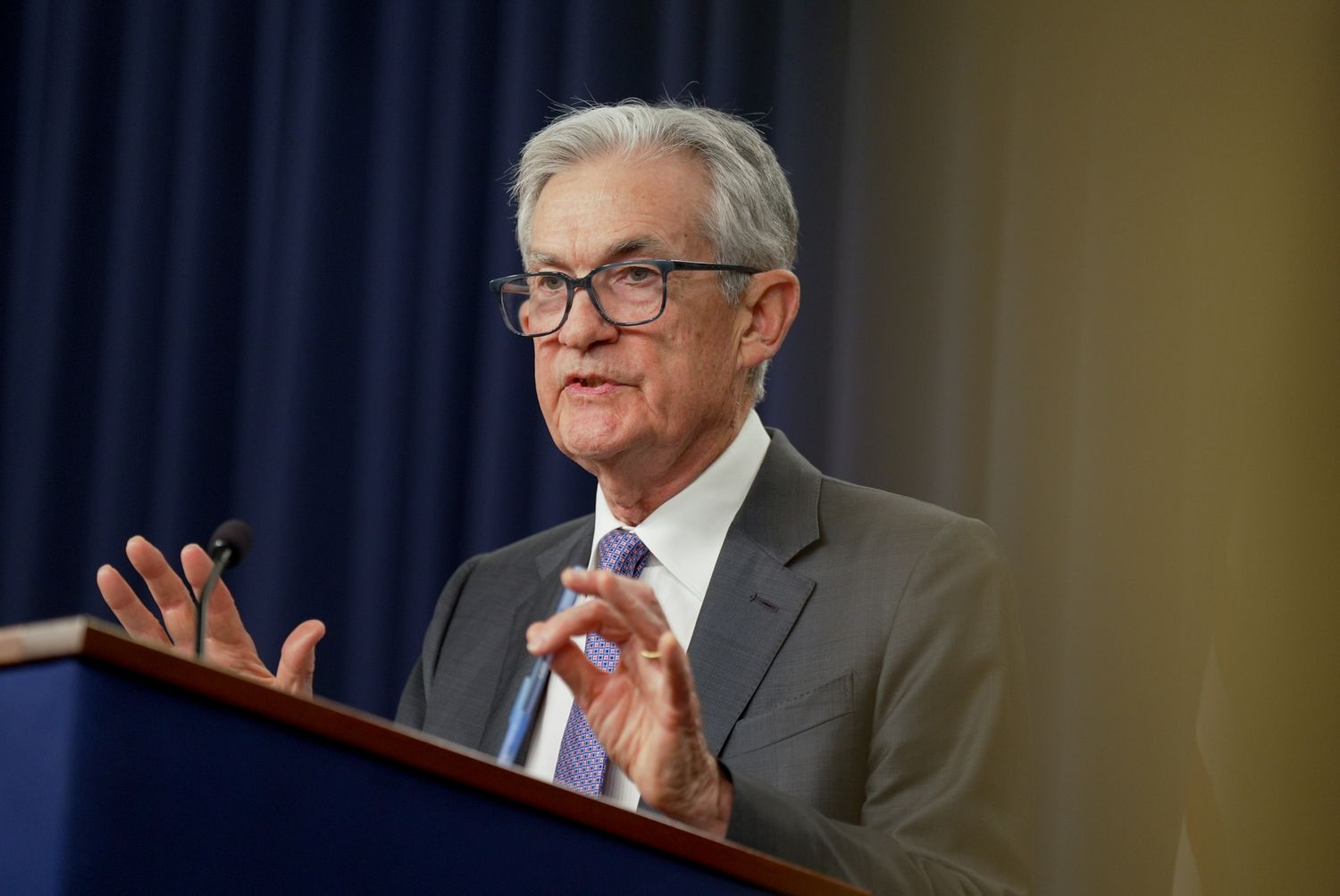
Wednesday’s move brought the fed funds rate to a range of 3.5% to 3.75%. That’s at the high end of the “neutral” range where Fed officials think the rate is neither turbocharging the economy with easy money nor slowing it down with high borrowing costs, Federal Reserve Chair Jerome Powell said at a press conference following the policy committee’s decision.
“As we noted in our statement today, we’re well-positioned to determine the extent and timing of additional adjustments based on the incoming data, the evolving outlook and the balance of risks,” Powell said. “That new language points out that we’ll carefully evaluate that incoming data.”
Fed officials projected making just one further quarter-point rate cut next year. Economists said that outcome was likely, but that it could shift depending on the Fed’s new leadership next year and the incoming economic data.
“The Fed thinks its policy rate is back in the range of neutral and the growth outlook looks solid, but inflation is still too high,” Elyse Ausenbaugh, Head of Investment Strategy at J.P. Morgan Wealth Management, wrote in a commentary. “Pausing cuts makes sense, but there could be renewed pressure and uncertainty in the new year.”
What This Means For The Economy
The Fed’s divided views mean upcoming economic reports could sway the central bank towards lowering borrowing costs if unemployment rises unexpectedly, or towards more rate cuts if inflation surprises to the upside.
The Fed is about to get a good deal of data to inform its next meeting in January.
Key reports on inflation and the job market, which were delayed due to the government shutdown, are expected next week. They could give Fed policymakers a better idea of whether they need to cut rates to prevent a surge in unemployment or keep them higher for longer to quell inflation that has run higher than 2% since 2021.
Financial markets are pricing in a 22% chance of a fourth straight rate cut in January, according to the CME Group’s FedWatch tool, which forecasts rate movements based on fed funds futures trading data.
Fed officials were divided about whether to cut rates on Wednesday. Two members of the 12-person FOMC dissented against the majority and favored keeping rates flat. In addition, six of the 19 Fed policymakers who submitted projections indicated that keeping rates flat was appropriate—what economists call a “soft dissent.”
“‘Hard dissents’ from voting members as well as the ‘soft dissents’ seen in the dot plot highlight the Fed’s hawkish bloc, and the return of ‘extent and timing’ language to the statement regarding future policy decisions was likely done to appease them,” Kay Haigh, global co-head of Fixed Income and Liquidity Solutions in Goldman Sachs Asset Management, wrote in a commentary. “While this leaves the door open to future cuts, labor market weakness will have to clear a high bar.”
The divided vote and uncertain outlook reflect the Fed’s difficult position: unemployment has risen over the year while inflation has accelerated. The Fed is supposed to use monetary policy to keep inflation low and employment high, and it can’t push in both directions at once.
“A very large number of participants agree that risks are to the upside for unemployment and to the upside for inflation,” Powell said. “So what do you do? You’ve got one tool. You can’t do two things at once. So at what pace do you move? It’s a very challenging situation.”
Powell said all the inflation this year seems to have come from President Donald Trump’s sweeping campaign of raising tariffs on nearly every country in the world. The import taxes have been passed along to consumers to some extent. Meanwhile, price increases have cooled down in other parts of the economy not directly affected by tariffs, such as housing.
“Services inflation is coming down, and that’s offset by increases in goods, and that goods inflation is entirely in sectors where there are tariffs,” Powell said.
