

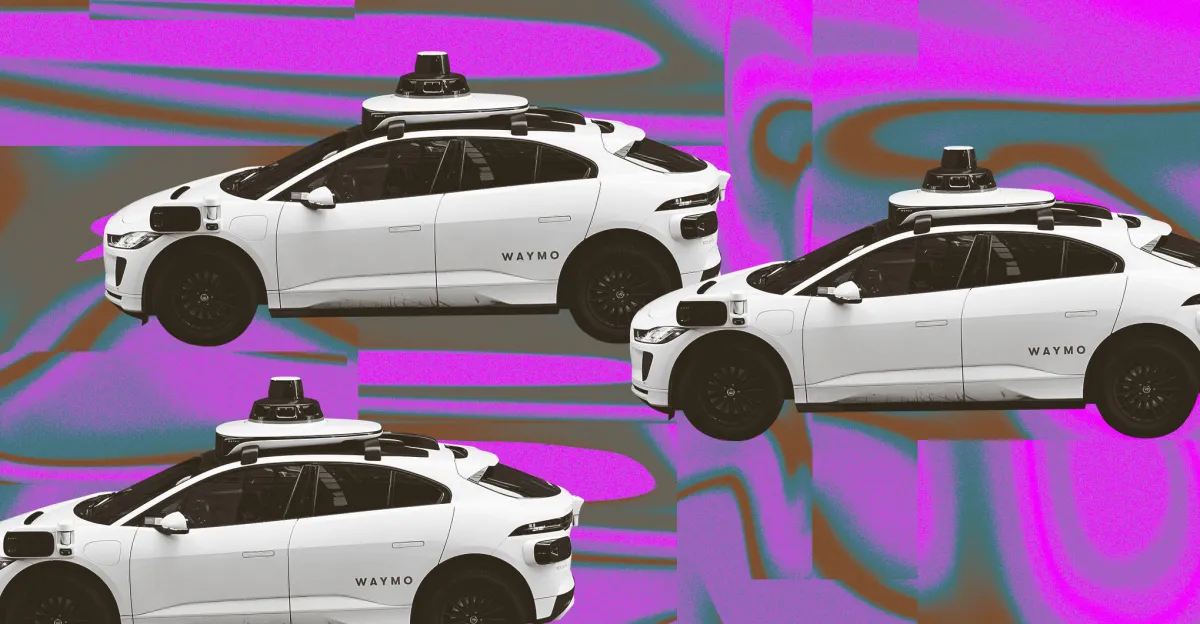
Waymo is kicking off the new year with a new city: Miami.
Starting today, anyone on the company’s waitlist of approximately 10,000 people can hail one of its robotaxis for trips within a 60-square-mile service area that includes popular neighborhoods like the Design District and Wynwood, Brickell, and Coral Gables — but not popular tourist destinations like South Beach. The vehicles also will initially avoid highways and stick to local roads, with plans to expand to faster-speed roads later this year.
It will be a similar phased rollout as in other cities, in which Waymo first opens up to those who have joined its waitlist and indicated interest in trying out its robotaxis before they are made available to the broader public. The map will also grow over time to include more neighborhoods and prime locations, like Miami International Airport.
Waymo’s fleet of driverless vehicles will be managed by a company called Moove, which provides fleet services as well as a range of financial products for mobility companies. The African company (it has several offices in Nigeria) is backed by Uber and was recently valued at $750 million.
Waymo’s robotaxi business has been growing slowly, even as the company has grown more confident naming the markets it wants to target in the future. Waymo currently operates in San Francisco, Los Angeles, Austin, Atlanta, and Phoenix. It hopes to launch in over 20 cities in the coming years, including San Diego, Philadelphia, Minneapolis, Tampa, Houston, Orlando, Washington, DC, New York City, Denver, New Orleans, Tokyo, London, and several others. (Of course, not every city is welcoming the robotaxis with open arms.)
In its announcement about Miami, Waymo touted its safety record — a ten-fold reduction in serious injury crashes compared to human drivers in the cities where it operates — and its growing demand. At the end of 2025, Waymo said it was doing about 450,000 paid driverless trips each week.
