

Members of Congress considered 19 online safety bills Tuesday that may soon have a major impact on the future of the internet as age-verification laws have spread to half of the US and around the world.
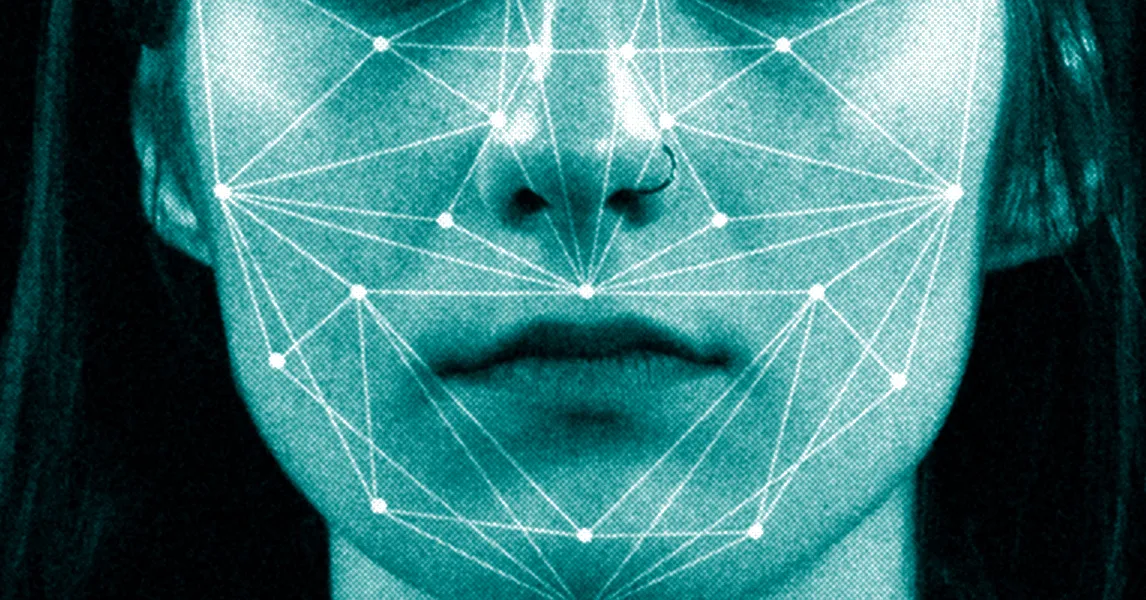
In response, digital and human rights organization Fight for the Future is hosting a week of events—across Reddit, LinkedIn, and various livestreams—to raise awareness of how it believes these bills are setting a dangerous precedent by making the internet more exploitative rather than safer. Many of the proposed bills include a clause for ID or age verification, which forces people to upload an ID, allow a face scan, or otherwise authenticate that they are not a minor before viewing adult content. Fight for the Future says the policies will lead to increased censorship and surveillance.
Among the 19 bills considered at the hearing conducted by the House Energy and Commerce Committee was the Kids Online Safety Act (KOSA), which passed with sweeping bipartisan approval in the Senate last year, and the Reducing Exploitative Social Media Exposure for Teens Act, which would ban tech companies from allowing minors under the age of 16 on their platforms. In addition to age verification, the bills raised concerns over issues of parental controls, consumer research of minors, AI, and data privacy.
“We’re seeing this huge wave toward ID checks being the norm in tech policy, and it felt like we needed to capture the already activated communities who are not feeling heard in Congress,” says Sarah Philips, a campaigner with Fight for the Future. “If you look on YouTube, if you see people making content about KOSA or responding to a lot of this legislation, it’s very unpopular with people. But it’s viewed on the Hill as very common-sense.”
Missouri’s age-gate law took effect earlier this week, meaning 25 US states have passed a form of age verification. The process usually involves third-party services, which can be especially prone to data breaches. This year, the UK also passed a mandate for age verification—the Online Safety Act—and Australia’s teen social media ban, which requires social media companies to deactivate the accounts of users under the age of 16, goes into effect on December 10. Instagram, YouTube, Snap, and TikTok are complying with the historic ban.
Philips believes the laws are a direct threat to democratic freedom. “These are censorship laws,” she says. “In the South, where I live, these same proposals mimic a lot of the arguments that you see behind book bans and behind laws that criminalize gender-affirming health care or abortion information.”
