

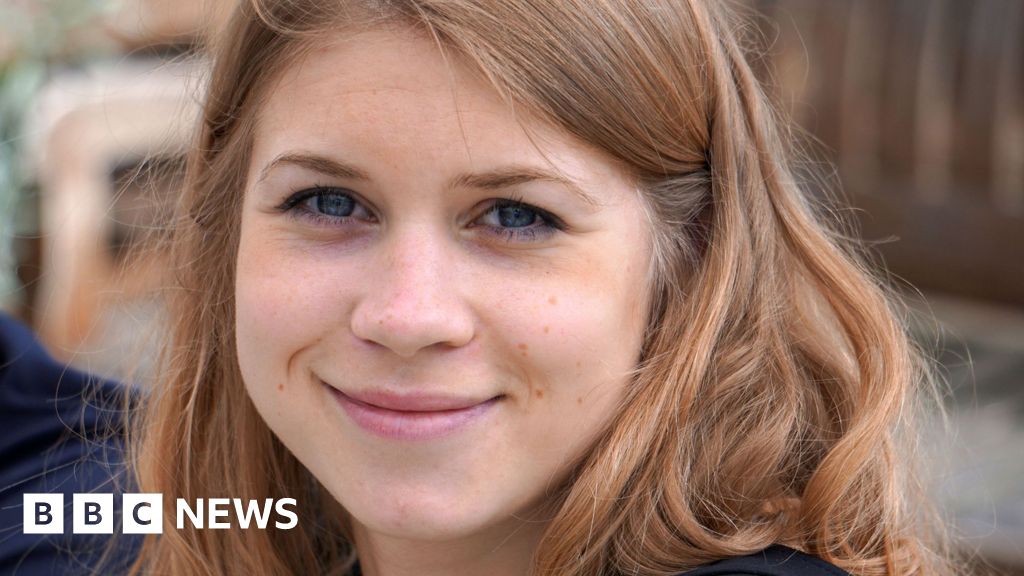
More than a quarter of police forces in England and Wales have not implemented basic policies for investigating sexual offences, a report has found, four years after the rape and murder of Sarah Everard.
Urgent action is now needed to prevent further violent, sexual attacks against women and girls, including targeting predatory men, the latest stage of an inquiry has found.
Its chairwoman Lady Elish Angiolini KC said there was a disparity between how forces dealt with violence against women compared to other high-priority crimes, where funding and prevention was the norm.
Home Secretary Shabana Mahmood said the government would carefully consider the recommendations.
It comes after the first part of her report published in February 2024 found Ms Everard’s killer should never have been a police officer and opportunities were missed to stop him.
The remit of the second part of her report, published on Tuesday, examines broader issues about policing and safety of women raised by the case.
Ms Everard was kidnapped, raped and murdered by serving police officer Wayne Couzens while walking home in south London in March 2021.
Couzens, who is now serving a whole life term in jail, had been a police officer for almost 20 years and had indecently exposed himself on two occasions in the months leading up to the attack.
Two years ago the government outlined the need for police forces to coordinate their response and resources to tackle violence against women and girls in the same way they do for other crimes that are viewed as national threats.
But the Angiolini Inquiry said until this is done tackling violence against women and girls would not credibly be called a national priority.
In part one of her report, published in February last year, Lady Elish had recommended that by September 2024, police forces should ensure they have a specialist policy on investigating all sexual offences, including “non-contact” offences like indecent exposure.
The inquiry was told the National Police Chiefs’ Council (NPCC) had developed guidance to support forces with this, but as of September this year 26% of police forces had not implemented the recommendation.
The NPCC said the majority of those forces were still reviewing existing policies to determine if they are sufficient or consulting on new ones, according to the report.
The report also pointed to concerns over gaps in national data, including how many women report being the victim of rape and other sexually motivated crimes in public spaces.
Lady Elish warned without these figures being gathered and recorded consistently across all forces, patterns of offending cannot be spotted.
New recommendations in part two of the Angiolini Inquiry include encouraging more people to take action when they see bad behaviour, with the introduction of a wider Good Samaritan law as well as significantly increasing the collection and use of data on sexually motivated crimes against women in public spaces.
Other recommendations include improving information and programmes to create a culture of positive masculinity for men and boys and targeted consistent public messaging about how to report crimes, such as indecent exposure.
There should also be increased use of police officers to help architects and planners in the design of safe public spaces, the report said.
Ms Everard’s family said in a statement that they hoped these latest inquiry findings had “far-reaching consequences”.
“It shows how much work there is to do in preventing sexually motivated crimes against women in public spaces and all those at risk,” the statement said.
“Sarah is always in our thoughts and we feel the inquiry continues to honour her memory. We stand in recognising the urgent need for positive change”.
Farah Naz, the aunt of Zara Aleena who was sexually assaulted and murdered after a night out in east London by a prolific offender in 2022, says she hopes the Good Samaritan law she has championed is taken seriously and progresses with urgency.
She said: “My niece was walking home. That is all she was doing. This report not only examines specific failures surrounding Sarah and Zara but also addresses the wider structures, cultural patterns and operational weaknesses that place women and girls at risk in public space.”
The home secretary said that her thoughts were with Sarah Everard’s family and all those who loved her.
“I will do everything I can to ensure women and girls can live free from fear and harm – something Sarah was so cruelly denied, ” she said.
She said the government plans to halve violence against women and girls in the next decade and it will soon unveil its Violence Against Women and Girls strategy.
