

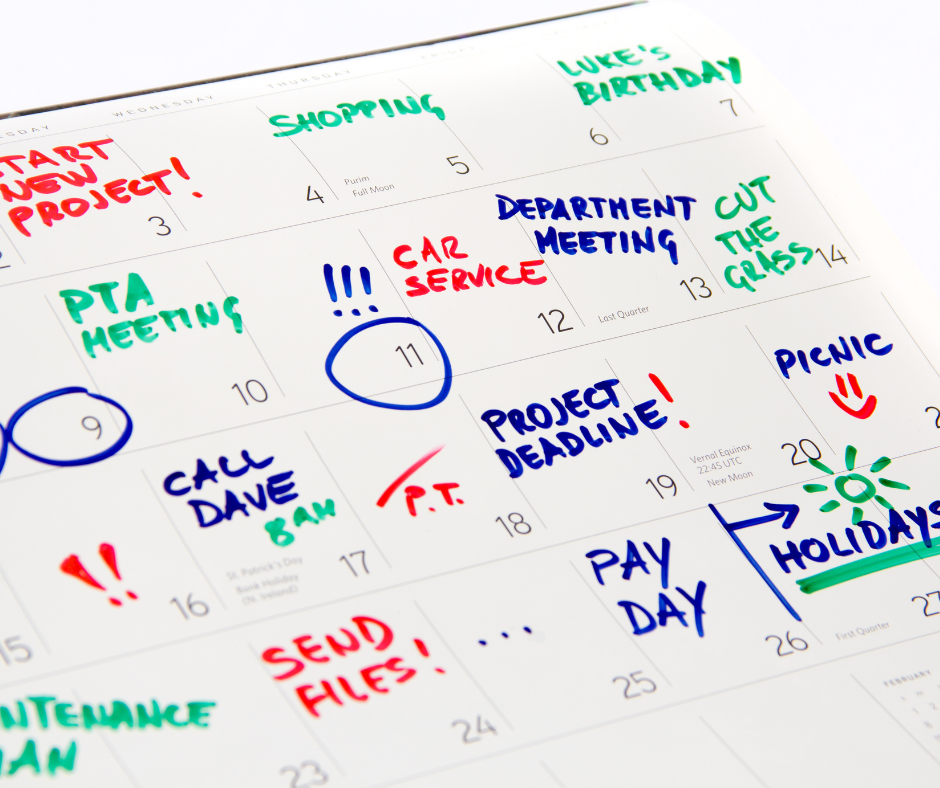
There’s a quiet assumption baked into modern productivity culture: If your calendar is full, your tasks are organized, and your routines are consistent, then you must be living intentionally.
But structure is not the same thing as deliberateness.
I’ve met plenty of people—myself included—who were highly structured and still felt unchosen. Busy, but not aligned. Productive, but not devoted. What looks intentional on the surface is often just default behavior wearing a well-designed outfit.
Where Intention Actually Breaks Down
Most people don’t struggle with having intentions. They struggle with understanding them. We inherit defaults constantly:
- Calendars that fill themselves
- Task lists that grow without question
- Routines adopted because they’re praised, not because they fit
Over time, these defaults masquerade as choices. We stop asking why and start assuming this is just how it’s done. The result isn’t chaos—it’s quiet drift.
And drift is harder to notice than disorder.
Intention Isn’t a Declaration. It’s a Practice.
One of the core ideas behind TimeCrafting is that intention isn’t something you announce once and move on from. It’s something you practice—again and again—through reflection.
Reflection before action asks:
- What am I devoting time to?
- What is this in service of?
Reflection after action asks:
- What did this choice cost me?
- What did it give me?
Without those questions, even well-designed systems run on autopilot. That’s how default behavior survives inside beautiful structures.
Default vs. Deliberate
This distinction came into sharper focus during a recent conversation with Chris Bailey, whose latest book, Intentional: How to Finish What You Start, does something many productivity books don’t: it clarifies what intention actually is.
As Chris explains, not all intentions are deliberate. Some are set automatically—through habit, conditioning, and repetition. These default intentions aren’t bad, but they are powerful. Left unexamined, they quietly determine how our days unfold.
What struck me most is how often people confuse consistency with choice. A habit repeated long enough starts to feel intentional—even when it no longer aligns with who we’re becoming.
The Small Interrupt That Changes Everything
You don’t need to redesign your entire system to move from default to deliberate. You just need an interrupt.
Try this—once or twice a day:
- What am I about to do by default?
- What would it look like to do this deliberately—or not at all?
That second question matters. Deliberateness doesn’t always mean doing the thing better. Sometimes it means choosing not to do it—and being at peace with that choice.
Productivity Is the Link—Not the Outcome
This is why I’ve long said that productivity isn’t about output. It’s about the relationship between intention and attention. When intention is unexamined, attention scatters. When intention is practiced, attention settles.
You don’t become deliberate by optimizing harder. You become deliberate by noticing more—and choosing again.
Structure can support that work. But it can’t replace it.
