

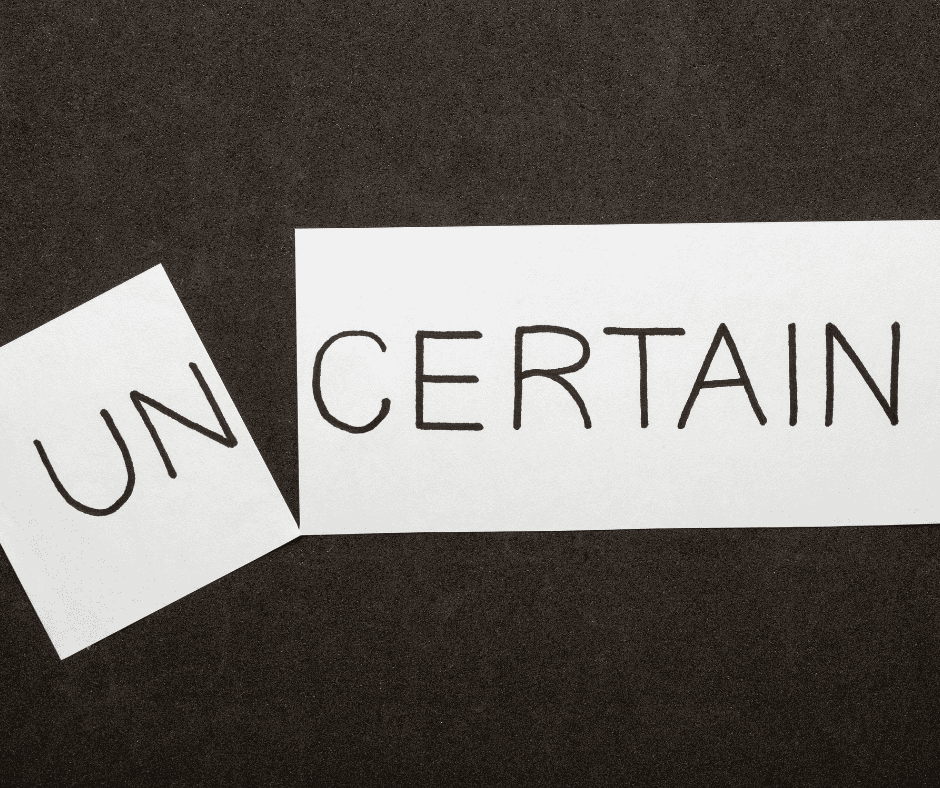
There are some things we “know” without ever really questioning. The Twelve Days of Christmas is one of them.
Ask almost anyone when they start, and you’ll hear the same answer: twelve days before Christmas. It sounds reasonable. Logical, even. Count backward, wrap it up with a bow, and call it tradition.
Except… that’s not how it works.
The Twelve Days of Christmas begin on Christmas Day and run through January 5th.
Not before. After.
This isn’t obscure trivia or theological hair-splitting. It’s a small but telling example of something much bigger: how easily we accept assumptions that feel right—and how rarely we pause to examine them.
When “It Makes Sense” Becomes a Trap
The reason this misconception sticks isn’t ignorance. It’s intuition.
Of course the twelve days would lead up to the big event. That’s how anticipation works. Countdowns feel satisfying. They build momentum. They reward urgency.
But tradition doesn’t always align with intuition.
The original framing of the Twelve Days flips the script entirely. Christmas isn’t the finish line—it’s the starting point. The celebration unfolds after the moment everyone assumes is the end.
That reversal matters. Because once you notice it, you start seeing the same pattern everywhere.
A Mild Case of the Mandela Effect
This kind of shared misremembering lives in the same neighborhood as the Mandela Effect—the phenomenon where large groups of people confidently recall something that never actually happened.
Logos with missing details. Quotes that were never said. Lyrics we all sing wrong.
What’s fascinating isn’t the mistake itself. It’s the certainty attached to it.
We don’t say, “I think this is how it goes.” We say, “That’s how it’s always been.”
Until it isn’t.
Productivity Is Full of These, Too
This is where it intersects with the work I do.
We’re surrounded by productivity beliefs that sound right:
- Busier means more productive
- Faster is better
- Full calendars equal meaningful days
- Getting ahead requires sacrifice now and payoff later
None of these are universally true. Some are backwards. Others are situational at best. Yet they persist because they feel intuitive—especially in a culture obsessed with efficiency and optimization.
Just like the Twelve Days of Christmas, we often assume the work comes first and the meaning comes later.
But what if that’s reversed?
Starting Where We Think We’re Ending
The deeper lesson of the Twelve Days isn’t about dates. It’s about orientation.
Celebration after the moment. Reflection after the milestone. Meaning unfolding once the noise quiets. That’s a pattern worth paying attention to.
In time, in work, in life—we’re often so focused on arriving that we miss what happens next. Or worse, we never allow ourselves to begin properly because we think we’re already behind.
Sometimes the most productive move isn’t to push harder, but to reframe where the starting line actually is.
This is part of why I run The 12 Days of TimeCrafting—not as a countdown to the holidays, but as a way to open the space that comes after.
It’s designed to meet that quieter stretch with intention rather than letting it blur together unnoticed.
And yes, the timing is deliberate.
What Else Might You Be Wrong About—in a Useful Way?
This isn’t about being right or wrong for sport.
It’s about cultivating a posture of curiosity instead of certainty.
If we can be wrong about something as familiar as the Twelve Days of Christmas, it’s worth asking:
- What assumptions am I carrying without examination?
- Where am I mistaking momentum for meaning?
- What if the thing I think is the end… is actually the beginning?
Those questions tend to lead somewhere worthwhile.
Remember: Getting things wrong isn’t the problem. Refusing to look again is.
Sometimes, all it takes is realizing the celebration starts after we thought it ended.
