

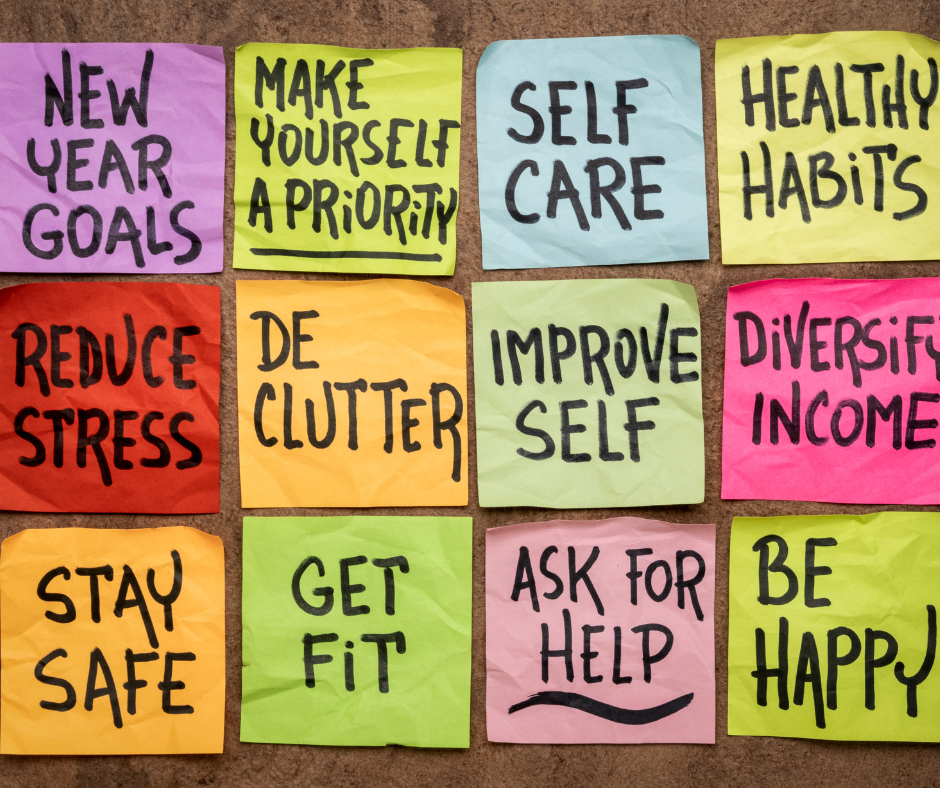
Every January, we reach for the same lever. A fresh calendar. A clean slate. A promise that this time will be different.
And yet by the time February arrives, most resolutions have quietly dissolved. Not because people don’t care. Not because they’re lazy. But because the strategy behind most resolutions is fundamentally mismatched with how change actually works.
That’s why I made this short video.
It isn’t a rallying cry. It isn’t a system. And it isn’t about trying harder. It’s a reframing.
Instead of asking “What should I commit to for the year?” it invites a better question: What kind of relationship am I trying to build—with my time, my energy, and my attention?
The problem with most resolution strategies is that they confuse motivation with orientation.
Motivation spikes. Orientation steadies.
When we rely on enthusiasm alone, we’re setting ourselves up for friction the moment life intervenes—which it always does. A better approach doesn’t demand constant intensity. It allows for rhythm. For recalibration. For returning without shame when things drift.
This is why I’ve grown less interested in “starting over” and more interested in starting from where you are. Not with a declaration… but with a direction.
The alternative to resolutions isn’t giving up on change—it’s choosing change that can survive real life. That means:
- Fewer promises, more practices
- Less force, more alignment
- Less obsession with outcomes, more attention to how your days actually feel
If the video above resonates, let it sit with you for a moment. You don’t need to act immediately. You don’t need a list. You don’t even need a plan—yet.
Sometimes the most meaningful shift begins not with a resolution, but with a quieter realization:
The strategy was never the problem. The framing was.
