

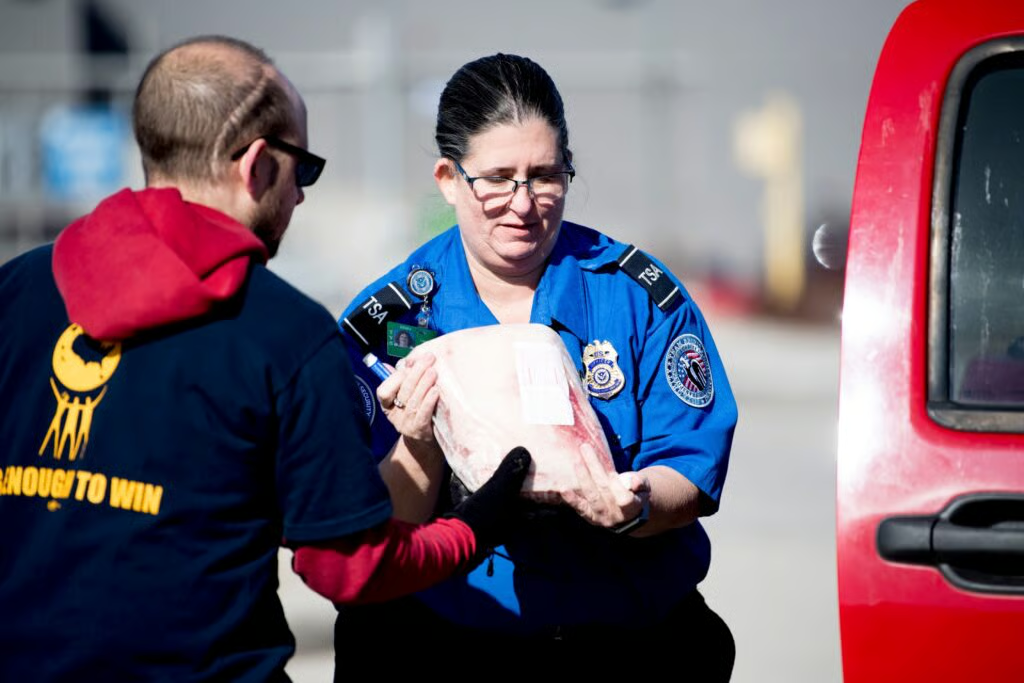
On Saturday, the Department of Homeland Security entered a funding lapse that keeps Transportation Security Administration officers on the job at U.S. airports without pay, as lawmakers remain deadlocked and a Kalshi betting contract tied to a shutdown drew more than $6 million in wagers.
The standoff lands just months after the country endured a 43-day shutdown that was estimated to shave $7 billion to $14 billion from real GDP and left nearly 900,000 federal workers either unpaid on duty or furloughed.
The Associated Press reports the DHS shutdown began early Saturday after funding expired at midnight, requiring TSA screeners to report to work even as their paychecks stop. The same report said the rest of the federal government remains funded through Sept. 30, meaning Federal Aviation Administration air traffic controllers are still paid, lowering the odds of broad flight cancellations driven by controller absences.
The High Stakes Of Government Shutdowns
The negotiation backdrop has also been complicated by separate Washington fights, including a House vote in which six Republicans joined Democrats to pass a resolution aimed at undoing President Donald Trump‘s tariffs on Canada. That clash arrived only days before the DHS funding deadline, adding another flashpoint as lawmakers headed out of town.
Will This Shutdown Impact Your Travel Plans?
Even with air traffic controllers still receiving pay, the outlet noted that flight delays can still happen if airlines hold departures while passengers clear screening. The same report also said shortages can slow checked-bag screening behind the scenes, creating another operational choke point beyond the front-of-house lines.
Industry advisers are urging flyers to build more time into airport arrivals and to avoid packing mistakes that trigger extra inspection. Rose’s practical advice was to monitor airport-posted wait times ahead of departure and not wait until the last minute, adding, “You may look online and it says two-and-a-half hours.”
Infrastructure Funding Battles Resurface Amid Shutdown
As the shutdown unfolds, Buttigieg cautioned that the dispute over infrastructure funding is far from over, which may aggravate staffing challenges at the TSA and exacerbate travel delays, echoing concerns voiced by travel groups about the negative impact on airport operations and passenger experience.
Understanding TSA Staffing Challenges Ahead
Under DHS contingency planning, about 95% of TSA employees are classified as essential and must keep working, even as pay is delayed. That requirement can keep checkpoints open, but it also raises the risk that morale and household budget stress translate into higher absenteeism.
Rose framed the traveler-facing reality as a test of temperament at the checkpoint, telling passengers to “practice patience and empathy.” He added, “Not only are they not getting paid, they’re probably working with reduced staff and dealing with angry travelers.”
