

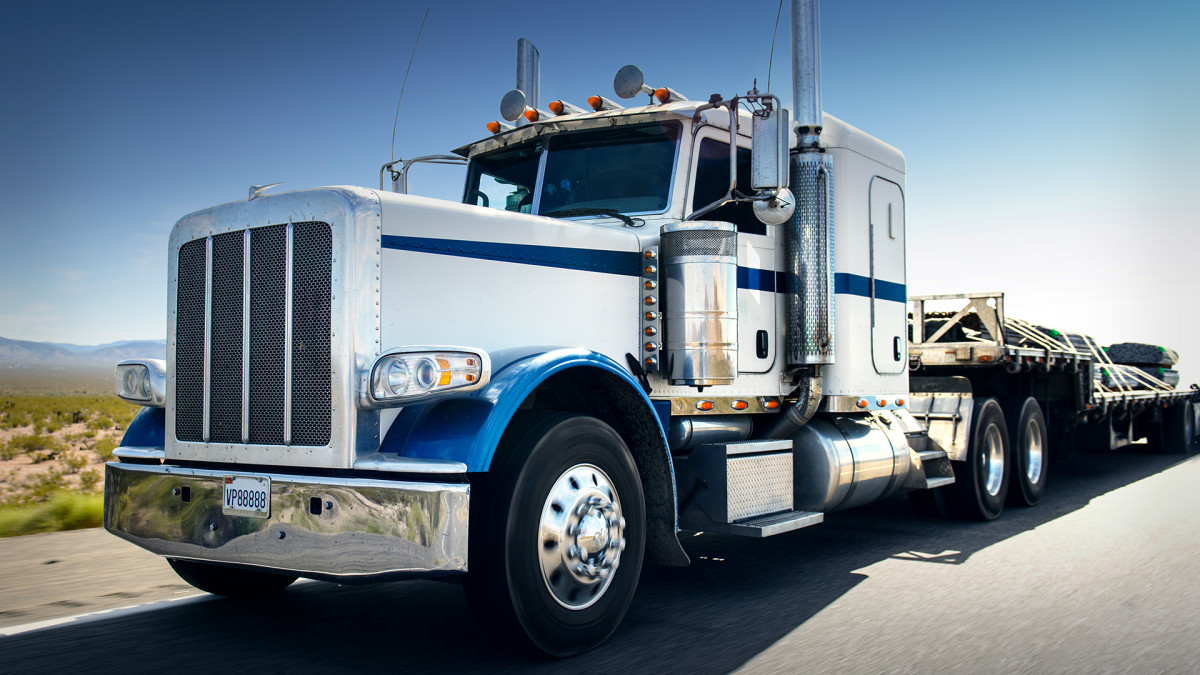
The Great Freight Recession has been challenging for trucking and logistics companies since it began in early 2022.
Shipping companies have faced reduced shipping demand, lower freight rates, and rising costs of labor, fuel, and insurance, which have impacted revenues and profits.
Companies closes without filing bankruptcy
In some cases, trucking companies only needed to close down without filing for bankruptcy, such as U.S. Postal Service trucking contractor 10 Roads Express, which in December revealed plans to TheStreet that it would end its mail hauling business and shut down all operations by the end of January 2026.
Also, less-than-truckload shipping company Standard Forwarding Freight, which operated in 16 states, closed its business on Dec. 29, terminating employees.
The East Moline, Ill.-based trucking company notified employees on Dec. 28 that they were terminated and that the company was permanently closing, according to employees, FreightWaves reported.
Freight companies filed 21 bankruptcy petitions in the third quarter of 2025 compared to 20 filed in the second quarter, Equipment Finance News reported. Fourth quarter statistics had not been released yet at last check.
Long-haul truckload demand plummeted by 25% in the first half of 2025, with trucking becoming more of a short-haul delivery method for the final leg of freight movement, according to the Long Outbound Tender Volume Index, FreightWaves reported.
However, the trucking industry might begin to recover in 2026, according to some industry experts. Doug Waggoner, CEO of Echo Global Logistics, is predicting improvement in the trucking industry, likely after the first quarter of 2026, he told Logistics Management.
“I think we’re at least in the late stages and maybe starting to come up,” Waggoner said. “But traditionally, January and February are the slowest months of the year.”
Waggoner said the industry dies in the second half of December through February and starts to pick up mid-March.
“I’m pretty bullish that 2026 is going to be better,” he said.
STG Logistics Inc., which filed for Chapter 11 bankruptcy, ships its containers by rail.
Shutterstock
STG Logistics files for bankruptcy
An industry turnaround could help giant trucking and logistics company STG Logistics Inc., which has struggled in the Great Freight Recession for over three years and filed for Chapter 11 bankruptcy protection to restructure about $1.2 billion in debt and seek a sale of its assets.
The Dublin, Ohio-based shipping company and 64 affiliates filed their petition in the U.S. Bankruptcy Court for the District of New Jersey on Jan. 12, listing about $1.16 billion in funded debt obligations, and $1 billion to $10 billion in assets and liabilities in its petition, according to Epiq Global.
STG’s largest unsecured creditors include Union Pacific Railroad, owed over $13.4 million; CSX International, owed over $1.4 million; Kansas City Southern de Mexico SA de CV, owed over $1.3 million; Personal HR Services LLC, over $1.2 million; APF-FBO Vitality Staffing, owed over $1 million; and Selective Personnel Inc., owed over $957,000.
STG largest unsecured creditors:
- Union Pacific Railroad, $13.4 million debt.
- CSX International, over $1.4 million debt.
- Kansas City Southern de Mexico SA de CV, over $1.3 million debt.
- Personal HR Services LLC, over $1.2 million debt.
- APF-FBO Vitality Staffing, over $1 million debt.
- Selective Personnel Inc., over $957,000 debt.
The debtor only had about $34 million in unrestricted cash on hand when it filed for bankruptcy, which is insufficient to fund the bankruptcy case, court papers said.
“Today’s announcement marks an important milestone in our efforts to strengthen STG amidst one of the most severe freight recessions in history,” STG CEO Geoff Anderman said in a statement.
“We are confident that leveraging the Chapter 11 process will best position the business for long-term growth and success,” Anderman said.
STG Logistics seeks $150 million DIP loan
STG Logistics entered into a restructuring support agreement with its equity sponsors and prepetition lenders to reduce its debt obligations and provide $294 million in debtor-in-possession financing to fund its bankruptcy case, which includes $150 million in new money and a roll-up of $144 million in debt obligations.
The trucking and logistics company, like many in the industry, experienced tremendous growth during the Covid-19 pandemic of 2020, when revenue increased dramatically and peaked in 2021.
The industry’s fortunes shifted with the onset of the Great Freight Recession in March 2022, as the U.S. surface transportation industry has faced one of its deepest and longest downturns in history for over three years, with the collapse of freight rates.
Great Freight Recession strains STG performance
“Softening freight demand, along with lingering excess capacity in the market, has led to a declining rate environment and further strained STG’s performance for the past three years,” STG Chief Financial Officer Tyler Holtgreven said in a bankruptcy declaration.
“The company’s consolidated revenues decreased by $65 million between 2023 and 2024 and are projected to decline by $162 million between 2024 and 2025,” Holtgreven wrote.
The debtor said that tariffs began to impact the freight and logistics industry at the beginning of 2025.
“Tariffs began to shift on a moment’s notice, ranging anywhere from 10 to 145 percent depending on the country from which goods are imported to the U.S.,” according to Holtgreven.
Tariffs impact company’s volume
Due to fluctuating tariffs, import volumes were forecasted to decline by approximately 14% year-over-year in the second half of 2025. SGT’s volume was expected to decline by 7% in 2025 compared to 2024, largely from tariff-driven import declines, the declaration said.
Rising inflation and higher insurance rates also contributed to the company’s financial distress.
The industry also faces a huge loss of business from large shippers internalizing trucking operations. Companies, such as Dollar General, Chick-fil-A, and Home Depot, have launched private in-house fleets that cut into the trucking industry.
More bankruptcies
- 64-year-old furniture store franchisee files Chapter 11 bankruptcy
- Golf legend’s iconic brand files for Chapter 11 bankruptcy
- Major health services provider files for Chapter 11 bankruptcy
Private fleets now handle an all-time high of 70% of outbound shipments in the U.S., the declaration said.
The 41-year-old trucking company operates a fleet of about 15,000 domestic intermodal containers, 3,300 chassis, about 2,150 drivers, and maintains about 4.5 million square feet of warehouse space, according to court papers.
Major companies with in-house trucking operations:
- Dollar General
- Chick-Fil-A
- Home Depot
Related: Favorite casual restaurant chain files Chapter 11 bankruptcy
