

In This Article
Out-of-town buyers are no longer a niche market. They are the market.
Those who are old enough might remember their first pre-2008 investment seminar from old-school gurus like Robyn Thompson and Ron LeGrand when they suggested sending postcards to buyers who lived out of state, and you dutifully made a note, thinking, “That’s a good idea.” It was.
Flash forward two decades, and potential out-of-town buyers now comprise 62% of online views for homes in the largest 100 U.S. metros, according to a report from Realtor.com, with 87 of those 100 markets being driven by out-of-market interest. In 2019, 48.6% of online shoppers were out-of-market.
What’s driving the move away from traditional employment hubs? Affordability and warm weather. Throw in remote work as a facilitator, and more residents are seizing the opportunity to live a more relaxed life away from adverse weather and without stretching their finances. This is also borne out in U.S. News and World Report’s ongoing “Moving Trends,” which shows the allure of affordable metros in the South and Midwest.
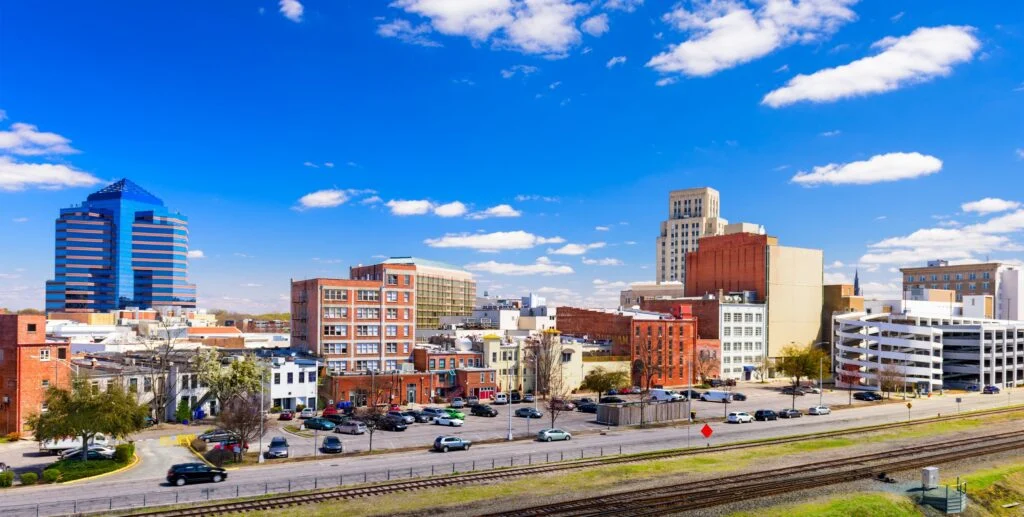
Realtor.com notes that Sunbelt enclaves such as Cape Coral-Fort Myers and Lakeland-Winter Haven in Florida and Durham-Chapel Hill in North Carolina attracted around 80% of their listing traffic from out-of-town buyers in late 2025, a figure even higher than during the pandemic, with interest coming from potential owner-occupants, second-home buyers, and investors.
“We have seen a fundamental change in where Americans who are shopping for a home are looking to live,” said Danielle Hale, chief economist at Realtor.com, when releasing the report. “As the ‘lock-in effect’ keeps some owners from selling, those who are moving are increasingly untethered to the market they’re currently in.”
How Affordability Is Squeezing Buyers
According to a recent Investopedia analysis citing Oxford Economics, a household needed to earn $110,000 in the third quarter of 2025 to buy a single-family home as well as pay property taxes and home insurance costs—almost double the amount needed at the same time five years earlier. Despite house prices slowing rather than collapsing due to tight supply, a starter home is still out of reach for many.
It’s not just sunnier climes that buyers and new residents are looking to. Midwest and Northeast markets that traditionally sourced their buyers locally now average about 56% and 62% out-of-town listing views, respectively, with smaller and mid-sized markets being the target for migration.
Migration and Rental Demand: The Happy Couple
Migration and rental demand often go hand in hand because when moving to a new city, potential homeowners usually test-drive it first by renting. When tenants are moving from larger cities to smaller cities such as Richmond, Virginia, and Pittsburgh, Pennsylvania, the end result, according to Yahoo! Finance’s analysis of Realtor.com data, is a lower vacancy rate and higher rental demand.
Renters arriving from expensive metros are helping to bid up prices in what have been considered budget?friendly cities, according to Realtor.com analysts.
Moving Company Reports Back Real Estate Data
Transportation companies echo the same message, adding their own nuances.
United Van Lines’ 2025 National Movers Study shows inbound migration led by Oregon, West Virginia, and South Carolina. Its top destination metros include Eugene-Springfield, Oregon; Wilmington, North Carolina; and Dover, Delaware, with a focus on smaller cities and towns.
Michael A. Stoll, economist and professor in the Department of Public Policy at the University of California, Los Angeles, said in the United Van Lines report:
“For most Americans, interstate relocation is no longer a linear calculation; it’s a complex decision balancing multiple competing factors. It is interesting to see that in general, population movement continues from North/Midwest regions to Southern states, and again, top inbound locations are dominated by smaller- to medium-sized metro areas. This reflects a legacy of COVID-era preferences for lower-density living, combined with the reality that housing costs continue to drive people toward more affordable regions.”
Similarly, Allied Van Lines’ U.S. Migration Report highlights the Carolinas, Tennessee, New York State, and Florida as its customers’ top destinations. The report says that North Carolina has “burst on the scene as a hot destination,” with former resort towns reimagined as full-time hubs for remote workers, while tech and finance workers are drawn to Charlotte.
Seven Is the Magic Number
Metros with vacancy rates above 7% give tenants a tactical advantage, according to a Realtor.com report, with landlords often eager to offer incentives, such as rental concessions, to fill units.
You might also like
In smaller cities where tenants have been arriving en masse, that advantage slides back to landlords. U.S. News and World Report’s exhaustive The Fastest-Growing Places in the U.S. is a good companion guide for investors looking for safe havens to buy rental properties. It’s clustered with smaller Southern cities in Florida, South Carolina, and Texas, with some Western states like California and Arizona attracting more affluent movers.
Older Movers Are Increasingly Choosing to Rent Over Buy
Wondering whether all the migration translates into actual tenants? It’s a valid question, especially when the demographics skew toward older tenants who have former homes, equity, retirement funds, and pensions to presumably see them through their later years. Wouldn’t they simply want to buy a place of their own? Apparently not.
According to a study by Point2Homes, a real estate listing website for American Rental Homes, citing U.S. Census data, seniors are one of the fastest-growing rental demographics. In a 10-year period, the senior renter population increased by 30%, adding 2.4 million people.
But it’s not just seniors who are choosing to rent rather than own. The 55-64 age group is up by 500,000. Finances play a big part, as a Harris Poll cited in the report shows, with older residents less willing to be saddled with mortgages, taxes, insurance, repairs, and possibly HOA fees, preferring the ease of movement that renting offers.
Not surprisingly, Florida is a prime destination, as the Realtor.com report confirms, with Cape Coral-Fort Myers among the top destinations. Also, for smaller investors, older renters are not opting for gleaming new apartment buildings and amenities but instead prefer single-family rentals, with numbers increasing by more than 25% compared to a decade ago among the 65+ age group.
Final Thoughts
Looking at these various reports together helps make the decision of where to invest easier. The good news is that people are moving to more affordable markets and have a preference for smaller single-family homes, especially among older tenants, which plays into the hands of BRRRR investors and buy-and-hold landlords.
For flippers, upgrading homes in smaller markets means less capital at risk and faster turnover, helping feed demand from investors and homebuyers alike.
