

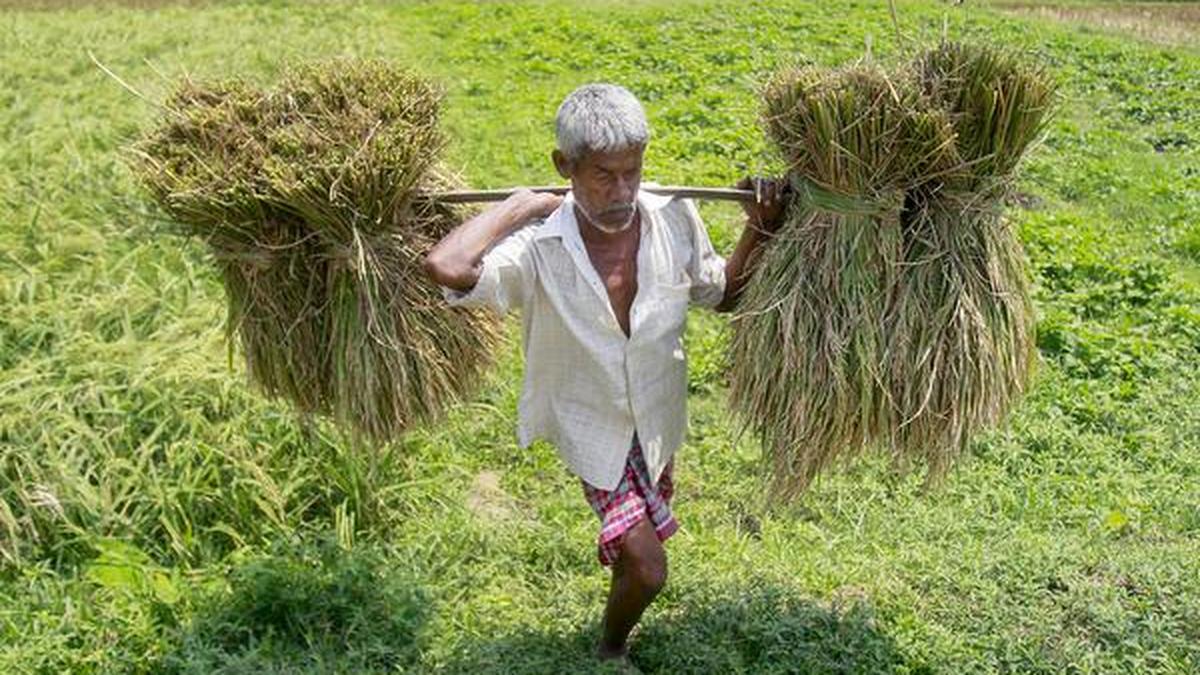
In the lush fields of the Indian heartland, a quiet revolution has transformed the landscape from traditional farming into a sophisticated global powerhouse. As we navigate through 2026, the story of India’s agri-food processing sector is no longer just about the harvest; it is a narrative of resilience, strategic diplomacy, and a massive industrial leap that has seen the broader agri‑food value chain estimated at approximately $350–390 billion (₹29–32 lakh crore), depending on classification.
For decades, the Indian farmer was the backbone of a domestic economy, but today, that backbone supports a global value chain. The sector has evolved into a vital bridge originating from an ecosystem that supports nearly 40 per cent of the nation’s workforce, connecting Indian farms to international dinner tables. This transformation is fueled by a predominantly domestic sourcing and processing model across key staples such as milk, grains, and vegetables, helping insulate the economy from global shocks while creating direct employment for over seven million people.
However, the path to 2026 has not been without its trials. The industry has faced heightened tariff and non‑tariff barriers in certain Western markets, particularly in the post‑pandemic recalibration of global trade. Rather than slowing down, these pressures acted as a catalyst for a strategic pivot in India’s trade approach. The narrative shifted from a reliance on traditional buyers to a focused expansion through Free Trade Agreements. By leveraging the India–UAE CEPA and the Australia ECTA, Indian processed goods found new, preferential market access in the Middle East and Oceania, effectively diversifying the nation’s export footprint.
Over ₹1 lakh cr investment commitments
This global expansion is anchored by a significant domestic infrastructure push. The momentum generated at World Food India 2025 continues to translate into action, with investment commitments and announcements exceeding ₹1 lakh crore (USD ~12 billion) beginning to materialize across the sector. This capital is addressing the long‑standing “missing middle” in the supply chain. From Mega Food Parks to technology‑enabled cold chains and logistics, the rural and semi‑urban agri‑ecosystem is undergoing structural modernization. These initiatives have the potential to create up to 25 lakh new jobs, transforming regional clusters into hubs for processing, packaging, logistics, and agri‑tech innovation.
As the industry advances toward a projected valuation of approximately $535 billion (₹44–45 lakh crore) by 2027, a clear quality pivot is underway. Indian processors are increasingly adopting global traceability, food safety, and compliance standards, while shifting toward higher‑margin, value‑added and ready‑to‑eat products. This evolution reflects the sector’s transition from a raw‑produce exporter to a value‑added, technology‑driven “Global Kitchen,” aligning farmer prosperity with the evolving demands of international consumers.
(Aayush is Promoter, Chairman & Managing Director, And Pulkit is Promoter, Non‑Executive & Non‑Independent Director, Pajson Agro India Ltd.)
Published on February 14, 2026
