

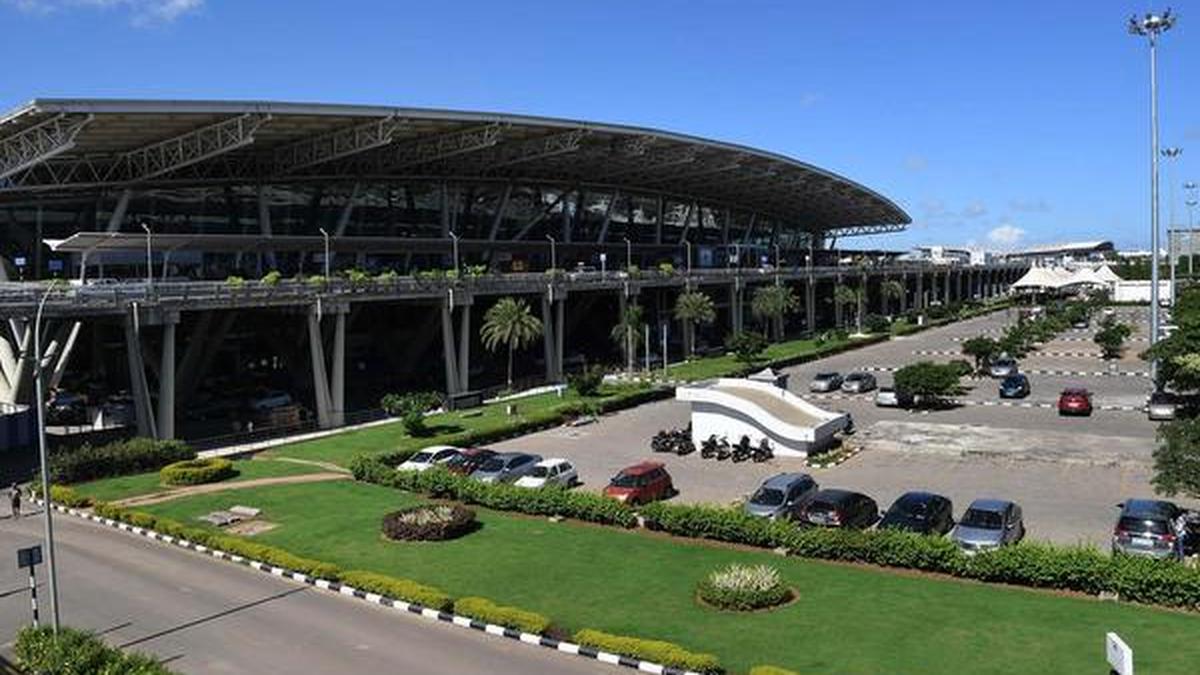
A super-connected India will require an integrated grid of 400 airports supported by a commercial fleet of about 3,000 aircraft by 2047, according to a KPMG-FICCI report.
According to the report, ‘Paving the future of aviation in Viksit Bharat @ 2047’ released at the ongoing Wings India 2026 here, India is now the world’s third-largest domestic aviation market and is on track to become the third-largest globally, enabled by rapid fleet induction and record aircraft orders.
India currently operates 164 airports, with a long-term plan for a balanced network of mega hubs, national gateways and cost-efficient regional airports. Air cargo throughput stands at about 3.7 million tonnes annually, with nearly 80 per cent routed through the five largest airports; the report calls for fully digitised, multimodal cargo ecosystems to drive competitiveness. The Maintenance, Repair & Overhaul (MRO) market is set to grow from $2.5 billion to $7 billion by 2035.
“India has the potential to build a globally competitive Sustainable Aviation Fuel (SAF) industry leveraging its diverse feedstocks, substantial refining capacity, bioenergy experience and strong policy momentum,” the report said.
The National Aviation Skilling Mission will be essential to meet workforce needs—projecting 40,000 pilots and 38,000 aircraft maintenance engineers required by 2047.
India’s civil aviation sector is undergoing a structural shift—from being primarily a facilitator of mobility to becoming a strategic engine of economic growth, employment and competitiveness. “The next two decades offer an unprecedented opportunity to build a future-ready aviation economy, supported by a unified national aviation technology stack, next-generation hub airports, and a deep domestic industrial base across manufacturing, maintenance, talent and finance,” the report added.
“India’s aviation sector is on the cusp of transformative scale, and our report highlights a clear pathway to building a super-connected, globally competitive ecosystem. With AI-powered operations, multimodal integration, and future-ready infrastructure, the opportunity to support over a billion annual passenger journeys by 2047 is within reach,” Akhilesh Tuteja, Partner and Head – Clients and Markets, KPMG in India said.
Strengthening domestic manufacturing, MRO, leasing, cargo and skilling will be essential to converting this scale into lasting strategic advantage. At the same time, advancing sustainable aviation fuels and next-gen technologies will anchor long-term resilience and environmental leadership, he added.
Published on January 30, 2026
