

Key Takeaways
- The Trump administration is eyeing Australia’s superannuation model as a potential method for the U.S.
- Unlike the U.S., where many workers lack access to or don’t participate in retirement plans, Australia mandates a 12% employer contribution, creating a far more robust retirement savings system.
The Trump administration is looking to Australia’s retirement system for inspiration.
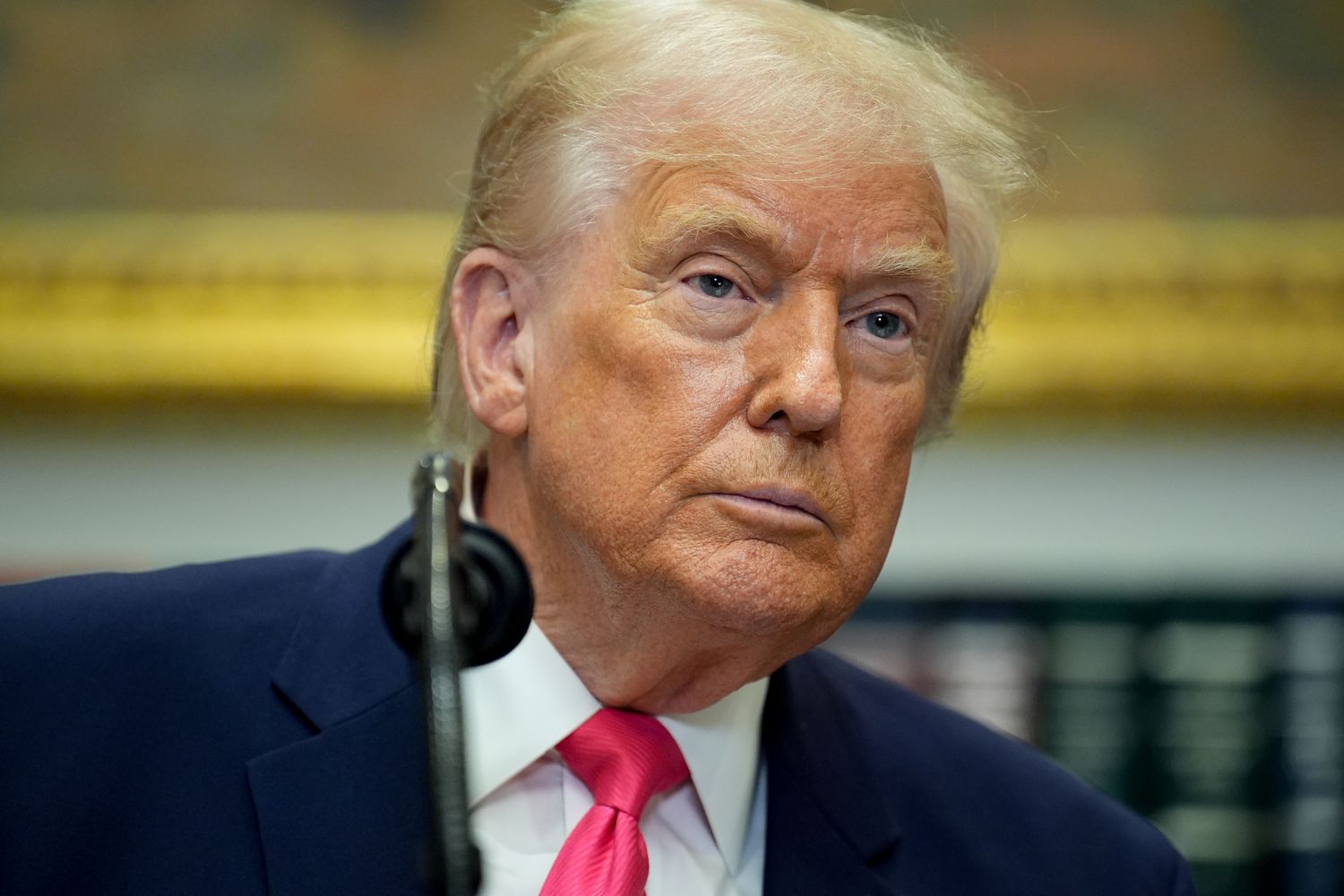
At a recent press conference, President Donald Trump indicated that his administration is examining Australia’s retirement system.
“It [the Australian retirement savings plan] is a good plan and it’s worked out very well,” Trump remarked on Tuesday.
The Australian retirement system differs markedly from the retirement system in the U.S. Here’s how they compare.
How Does The Retirement System Work In the US?
Historically, retirement in the U.S. has been viewed as a three-legged stool, where retirees could rely on a pension, Social Security, and personal savings to finance their golden years.
However, as pensions have fallen out of vogue over the past few decades, workers increasingly have had to rely on their personal savings and Social Security benefits.
While the vast majority of Americans age 65 or older receive retirement or disability benefits from Social Security, access to workplace retirement plans still remains limited.
As of March, 70% of private sector workers had access to a defined contribution plan, like a 401(k), but only 50% actually participated. And employers aren’t legally required to contribute to workplace retirement plans either—although employers can offer matching contributions.
It May Be Easier To Save For Retirement In Australia
Unlike America’s retirement system, Australia’s primary retirement program, known as superannuation, largely relies on employer contributions, which reduces the pressure on individuals to save.
Beginning in 1992, the superannuation guarantee required employers to contribute a certain percentage of workers’ salaries to a super fund, a type of investment fund managed by a trustee. Currently, employers in Australia are required to contribute 12% of a worker’s salary to a super fund. Workers are also eligible to make contributions.
In addition to the super fund, some older Australians are eligible for an age pension depending on their residency status, income, and net assets.
What This Means For You
If similar policies were ever adopted in the U.S., people may have to save less for retirement on their own, as mandated employer contributions would ease the burden on individual savers.
Despite its small population, Australia has one of the largest retirement systems in the world, thanks to its superannuation system, which holds $4.3 trillion worth of assets, according to J.P. Morgan.
In a recent ranking of the world’s retirement systems by Mercer, Australia ranked above the U.S. Australia’s B+ rating indicated a need for improvements despite a solid foundation. In contrast, the U.S. notched a C+, a rating that signaled a risk of future precarity and a need for significant changes.
Ultimately, however, it remains unclear whether the Trump administration will implement elements of Australia’s retirement system in the U.S. and what the impact would be on workers’ retirement savings.
