

 Recession Profit Secrets · Learn more →Advertisement · Affiliate link — we may earn a commission.
Key Takeaways
- Climate change costs households in some parts of the country an average of $1,300 a year, according to a new study.
- The figure is a minimum: the researchers tallied some important costs, such as more expensive insurance, but haven’t accounted for everything.
- Climate change-related costs are likely to increase in the future unless action is taken to counteract it.
Researchers have put a price tag on how much climate change costs you, and the price can be steep depending on where you live.
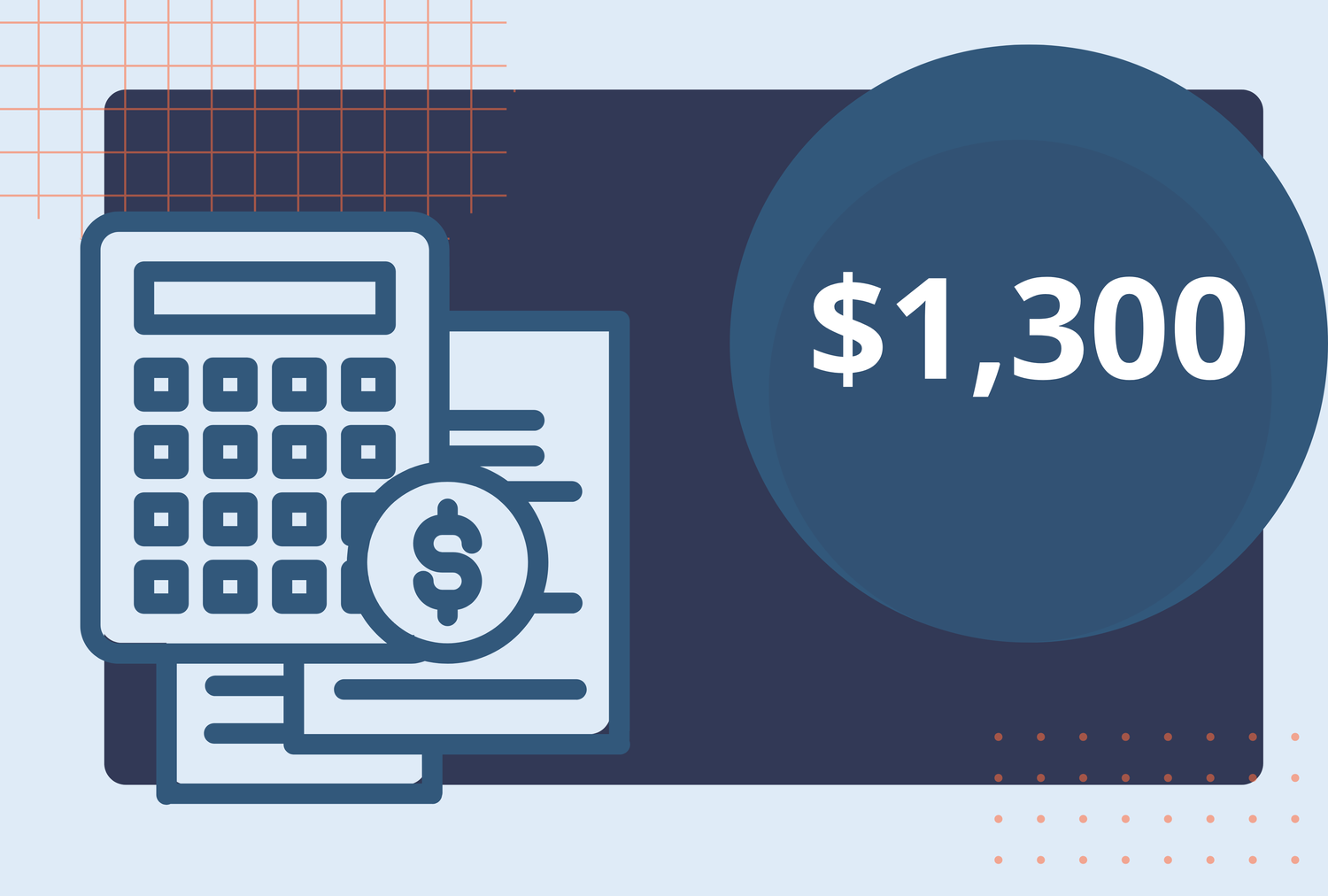
Households in the 10% of U.S. counties most affected by climate change pay an average of $1,300 a year in extra costs, according to a study released Monday by researchers at the University of California Los Angeles and MIT, published by the National Bureau of Economic Research. The average nationwide is on the order of $400 to $900, the researchers wrote.
The paper tallies up numerous ways that climate change often invisibly eats into household budgets, but the researchers admit it’s only a partial accounting. More frequent and intense natural disasters and heat waves are driving increased insurance costs, more expensive housing, energy, and food; greater risk of damage from floods; and higher costs to governments that ultimately falls on taxpayers. The researchers also put an economic price tag on the risk of dying in a disaster, or from diseases caused by inhaling wildfire smoke.
What This Means For Your Finances
Climate change affects far more than the natural world. Its impacts ripple through economies, communities, and daily life—driving up costs, disrupting jobs, and putting more pressure on household budgets that are already stretched thin.
People living in certain regions of the West, the Gulf Coast, and Florida are paying the highest toll, and lower-income households are disproportionately affected, according to the study.
What’s more, today’s climate price tag will only keep climbing in the years ahead.
“While current US costs are modest, most climate modeling indicates the importance of threshold effects that can cause costs to rise steeply in the future if climate change is not addressed,” the researchers wrote.

