

There’s a line I came across in recent Tiago Forte email that stopped me mid-scroll: Rest is rising in value right now.
It feels true in a way that isn’t just intellectual. It’s visceral. You can sense it in the conversations people are having about burnout. You can see it in the slow drift away from the cult of “more.” You can feel it in the quiet rebellion against alarm clocks, inboxes, and the persistent hum of urgency. Rest isn’t a reward anymore. It’s a resource. A form of capital that compounds only when you respect it.
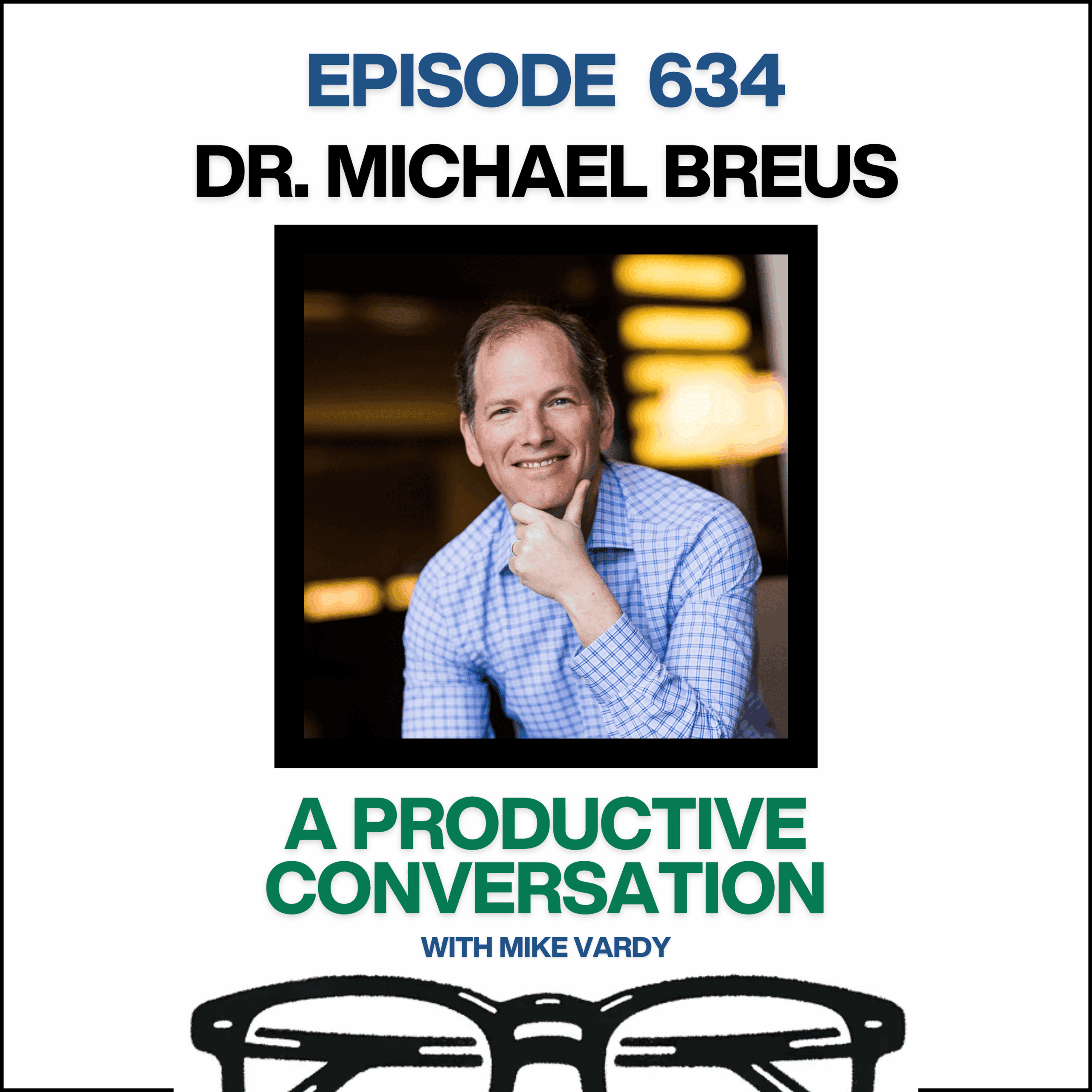
And that’s exactly why this week’s conversation with Dr. Michael Breus landed the way it did.
Michael has always had a gift for translating biology into something you can actually use. Chronotypes. Melatonin timing. The domino effect of hydration, breathing, and sleep. He has a way of stripping away the noise so you can get to the part that matters: the simple patterns that drive your life whether you acknowledge them or not.
But what struck me this time was how directly his work confirms what Tiago was pointing to. If rest is rising in value, it’s because we’ve finally reached a point where we can’t fake it anymore. The body keeps a more accurate ledger than any productivity app. And Michael’s work shows the entries clearly: the cost of skipping sleep, the interest charged on chronic dehydration, the deficit created by shallow, anxious breathing.
Rest rises in value when the alternatives stop working.
In this episode, Michael and I dig into how chronotypes shift as we age (both of us are feeling that shift more than ever). We talk about why wellness has become too complicated, and why intention—not intensity—is what gives breathing, hydration, and sleep their power. We talk about why so many “hacks” mask symptoms instead of addressing causes. And we talk about the foundational nature of rest: the idea that you can’t be productive with your time if you aren’t aligned inside your time.
If you’ve been feeling the friction of trying to push through exhaustion, or the strain of pretending you can outrun your biology, this conversation will give you a gentler—and far more realistic—path forward.
Rest is rising in value. The question now is whether we’ll treat it as a scarce commodity to ration, or a renewable one to cultivate.
Michael makes a compelling case for the latter.
