

For years, consumers have complained about shrinkflation. That’s when less of an item comes in a package, and the price either stays the same or goes up.
Sometimes, companies attempt to do this sneakily. You buy a package of your favorite chips or a box of cookies, and there’s just less there.
In other cases, a brand tries to sell a smaller size as a positive. That could mean touting that it has lower calories, pushing it as a personal serving, or making it seem like paying more to get fewer benefits for the consumer in some other way.
“Shrinkflation is also subtler than increasing the sale price: consumers react more negatively to overt price rises than to slightly smaller products. Food business analysts note that companies increasingly rely on stealth reductions or ingredient changes to protect margins,” Phys.org reported.
Not every effort to shrink products comes from a desire to trick consumers. Sometimes a brand offers smaller sizes at lower prices, and that’s what’s behind Coca-Cola’s latest product offering.
Coca-Cola goes small
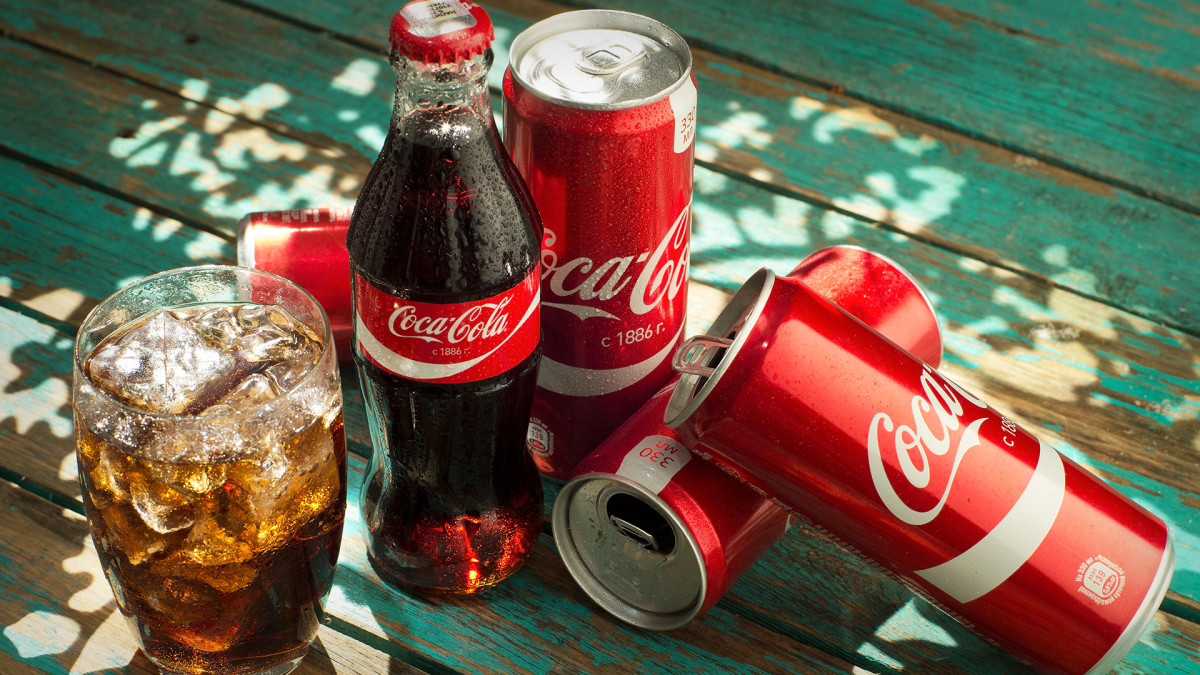
Coca-Cola has sold smaller, 100-calorie cans in grocery stores for years. Now, the beverage giant has brought its smaller cans to grocery stores, but it’s arguing that the change isn’t about charging more for less.
“Coca‑Cola’s popular 7.5-oz mini cans are coming to convenience stores as single-serve options for the first time starting January 1, 2026. The new single-serve option joins three other package sizes, creating more choices for different moments throughout your day,” the company shared in a press release.
- The mini cans’ suggested retail price is $1.29.
- They are available in Coca‑Cola Original, Zero Sugar, Cherry, Sprite, and Fanta Orange.
- Limited-time flavors include Sprite Winter Spiced Cranberry and new Coca‑Cola Cherry Float.
Retail expert Dominick Miserandino told TheStreet that Coca-Cola isn’t practicing shrinkflation by offering smaller cans.
“Coke isn’t pulling a fast one here. They’re just being realistic. That 7.5oz can is the ultimate marketing shape-shifter. One minute, it’s about wellness and portion control for the calorie-counters. The next one is an affordability play for the guy who’s just trying to get a soda without breaking his wallet,” he said.
The company, he noted, is in this case offering a value play.
“They aren’t shrinking the product to hide. They’re shrinking the price point to stay within the consumer’s affordability range. It’s not deceptive. It’s just smart,” he added.
Smaller formats give brands pricing flexibility, allowing them to protect margins while meeting consumers at psychologically easier price points.
More Retail:
- Costco sees major shift in member behavior
- Retail chain shuts all locations as legal changes hit industry
- Lululemon struggles to reverse concerning customer behavior
- T-Mobile launches free offer for customers after major loss
Coca-Cola has pushed that this is simply another, more affordable option for consumers.
“Four distinct package sizes now anchor our convenience store lineup: the 7.5-oz mini can, 16-oz. can, 20-oz. bottle, and 24-oz. bottle. Each one’s designed to meet you where you are and provide more choice across different occasions, whether you’re making a quick stop at the pump or a grab-and-go purchase in-store,” the company shared.
Coca-Cola has diversified its convenience store offering.
Shutterstock
Coca-Cola has proved its resilience
While consumer tastes change and health pushes have worked against soda sellers, Coca-Cola has proven resilient. The company had mixed, but mostly positive, results for the year.
- Global Unit Case Volume grew 1% for the quarter and was even for the full year.
- Net Revenues grew 2% for the quarter and 2% for the full year. Organic Revenues (non-GAAP) grew 5% for the quarter and 5% for the year.
- Operating Income declined 32% for the quarter and grew 38% for the full year.
- Fourth-quarter EPS grew 4% to $0.53.
- Cash Flow from operations was $7.4 billion for the full year.
Source: Coca-Cola Q4 earnings release
“Coca-Cola continues to show pricing power, successfully passing higher costs through to consumers,” said Mark Vickery, senior market analyst at Zacks Investment Research on Investing.com.
Coca-Cola has diversified
Outgoing Coca-Cola CEO James Quincey spoke during the company’s fourth-quarter earnings call about the changes it has made since 2017.
“We’ve added 12 billion-dollar brands to our total beverage portfolio, bringing our total to 32 billion-dollar brands. 75% of our billion-dollar brands are outside our sparkling soft drinks. And while we’ve expanded our portfolio to offer consumers more choice,” he added.
The longtime CEO also noted that the company has invested heavily in its trademark products.
“We’ve also reinvigorated growth of our legacy sparkling soft drink brands. Trademark Coca-Cola retail sales grew by over $60 billion, and the brand is the highest valued food and beverage brand in the world, according to Kantar, with a long runway ahead,” he added.
Related: Coca-Cola quietly retires classic 80-year-old beverage line
