

 Recession Profit Secrets · Learn more →Advertisement · Affiliate link — we may earn a commission.
If you don’t like how the internet makes you feel right now, you’re not alone. The entire ecosystem seemingly exists to manipulate you, which can make finding clarity hard. I’ve written about how to avoid anxiety bait, which can be an important step toward healthy and productive engagement, but an important step is recognizing when you’re being manipulated. RageCheck is a potentially useful tool here.
Built using concepts from social science research, this website can analyze any link or screenshot. It points out examples of potentially manipulative language, from us-versus-them framing to emotionally loaded phrasing. “The system analyzes text for linguistic patterns commonly associated with manipulative framing—language optimized to provoke high-arousal reactions over understanding,” says the methodology page. “It does not assess factual accuracy or political bias.”
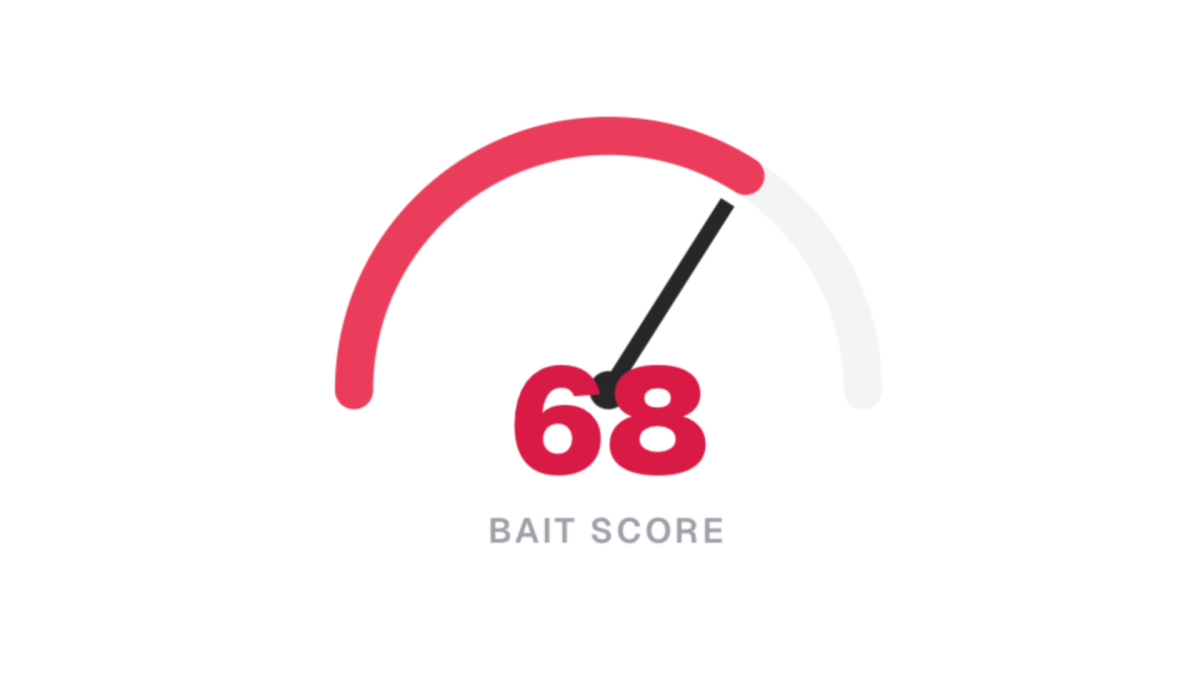
Using the site is simple: just paste a link to an article and hit Enter. After a few moments, you’ll see a statistical breakdown of the potentially manipulative language in the piece across five categories—emotional heat, us versus them, moral outrage, black-and-white thinking, and fight picking. The article is excerpted below, with examples of these tactics highlighted. In the left panel you’ll see a “Bait Score,” which is an attempt to calculate how manipulative the article is being. Below that, you’ll see a list of the potentially manipulative techniques employed in the article.
None of this is intended to be used as an alternative to fact checking or serve as some kind of truth-detecting machine. “A high score means content uses manipulative framing—it doesn’t mean the underlying claims are false,” says the about page. “Conversely, a low score doesn’t mean content is true.”
What do you think so far?
It’s worth pointing out that the techniques this tool detects also aren’t necessarily bad. Some news stories really should inspire moral outrage, especially in the context of an opinion piece or editorial. Regardless, there’s still value in identifying those techniques.
Basically, this is a tool that can help you think critically about the media you’re consuming, not do that critical thinking for you. Use it if you want to learn a little bit about the kinds of rhetorical tricks you might be vulnerable to.


