

In This Article
To get paid, trade the palm trees for parkas. That’s the resounding message emanating from Realtor.com’s top housing markets for 2026 forecast.
The number crunchers at the listings site analyzed the data and concluded that the top-performing real estate markets next year will be clustered in the Northeast, in smaller, generally affordable metros, where the drop in temperature—compared to the formerly red-hot Sunbelt—is matched only by the comparative drop in prices.
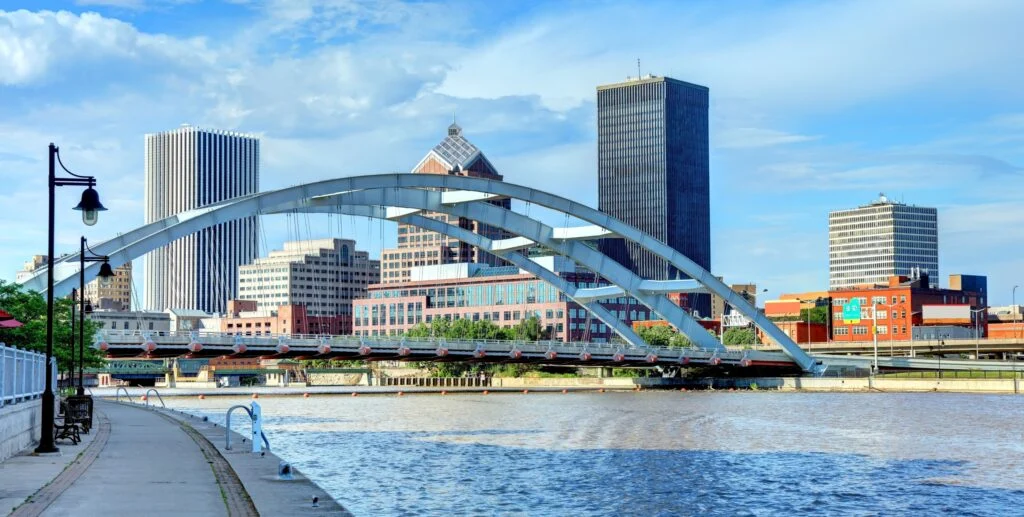
Cities such as Hartford, Connecticut (expected 17% price growth); Rochester, New York (15.5%); and Worcester, Massachusetts (15%), as well as traditionally affordable Midwestern cities such as Toledo and Pittsburgh, are projected to be front-runners in both home sales and price growth, as buyers chase affordable “refuge” markets, where their paychecks go a lot further than conventional coastal centers.
The Upside for Landlords
For prospective landlords looking to kick-start investing careers or add to their portfolios, these cities are ideal because of their relative affordability compared to rental income. In Rochester, for example, the average monthly rent as of December 2025, according to Apartments.com, is $1,302. Sister site Homes.com shows several cash-positive rentals, such as this three-bedroom home at 6 Custer Street, listed for $120,000 with an estimated monthly payment of $923 and rented to Section 8 tenants for $1,400/month.
This aligns with a new report from Rentometer, highlighting the cities with the highest yields for landlords—showing many of the same names in both. The report states:
“When we look at the cities with gross rental yields of 10% or higher, a clear geographic pattern emerges. The majority of these high-return markets are clustered around the Great Lakes region—including cities in Michigan, Ohio, Indiana, and upstate New York—where home prices remain relatively affordable compared to national averages, but rent levels have held steady.”
Slow and Steady Wins The Race
Unlike the post-pandemic gold rush for housing, where prices skyrocketed as interest rates sunk, and the subsequent years when high interest rates froze buying, the Realtor.com report shows that affordability and strong demand do not necessarily mean rampant price growth in all the top-ranking cities (although the top three enjoy estimated appreciation in the mid-high teens), but rather more modest appreciation that supports measured homebuying and investing. This is supported by Fortune and Newsweek, which highlight the Rust Belt eclipsing the Sunbelt as the most desirable place for buyers to empty their money belts.
“Rust Belt cities like Cleveland, Hartford, Albany, and Chicago are all still appreciating and have tight inventory. Meanwhile, Sun Belt cities across Florida, Texas, and Arizona are now in decline, with decade-highs in inventory,” Nick Gerli, CEO and founder of real estate analytics platform Reventure App, wrote in a post on X on Dec. 9.
Lower Cost Means Lower Risk
Lower prices in the Northeast and Midwest mean that the “lock-in” effect of sacrificing a pre-2022 low interest rate for today’s higher rates is not as pronounced as in other higher-priced regions. This is also a plus for investors concerned about the potential downside of carrying costs of vacant rentals.
Realtor.com said that the top 2026 markets “offer better value than nearby high-cost hubs,” while tight inventory—Hartford is 74% and Worcester is still 43% below pre-pandemic levels—exerts upward pressure on prices, meaning smaller landlords can enjoy more certainty and less speculation about the likelihood of appreciation.
Another interesting stat from the report was that in the third quarter of 2025, 40% of listing views for the top 10 cities originated from out-of-state people, often in pricier cities such as New York, Boston, and Washington, D.C., highlighting the need for affordability.
Strategic Moves Landlords Can Make Now
Target spillover neighborhoods early
Projected appreciation, low housing prices, and high potential cash flow do not guarantee an effortless investment.
Consider Pittsburgh, the largest metro in Realtor.com’s ranking. With inventory currently more than 31% below pre-pandemic levels, competition for rentals is intense. The Pittsburgh Post-Gazette reports bidding wars remain common, often attracting eight to 10 offers per home. What seems favorable on paper may not translate to reality. Therefore, consulting local experts is essential for thorough due diligence.
Underwrite for cash flow, not hype
Cities such as Buffalo, New York, which has been Zillow’s hottest market for two years in a row, have been attracting investors in droves. It means that competition is likely to be fierce.
You might also like
Stress-test deals for cash flow at conservative numbers rather than Realtor.com or wholesaler hype figures. Finding housing pockets that are radar adjacent, rather than emitting media-induced sirens of desirability, could make for better cash-flowing investments and long-term appreciation.
Lock in financing with lenders who get your vision
Just because everyone wants to lend you money doesn’t mean you should borrow from them. Often, lenders who actively promote themselves in the real estate space are glorified brokers. Yes, they have access to a wide variety of conventional and nonconventional lenders, but you will pay a pretty price in points for their assistance. Investigate lending programs from local community banks and credit unions first.
Cold-weather markets are tough on a home—factor that into your renovation
Chances are you’ll have to do some upgrades when buying a home in a cold-weather market. These areas are tough on a home. It’s worth getting ahead of problems by factoring in additional funds for the roof, gutters, and parking area upgrades. If there’s an opportunity to replace copper with PEX and install hard-wearing vinyl plank flooring, take it.
Final Thoughts
Investors from big coastal cities tend to view emerging markets such as those in the Northeast and Midwest with a giddy enthusiasm because prices are so low compared to where they live. This is a big mistake. Even if you are buying with all cash and not overleveraging, many of these areas are still scrappy and hardscrabble, with a tenant pool that does not match the media hype surrounding the new coffee shops and brunch spots mentioned in online articles.
Also, many neighborhoods have to be evaluated on a street-by-street basis. Don’t splash the cash because a house is cheap, or it could prove more of a headache than it’s worth. Seek advice from local experts who are not trying to make a fast buck, but rather see the long-term vision of keeping you as a repeat buyer. Screen management companies meticulously ask for referrals, and make sure they do the same with prospective tenants.
