

Good morning. Major technology shifts often spur the rise of a new generation of leaders. Satya Nadella’s track record in building Microsoft’s cloud business earned him the top job in 2014. Arvind Krishna’s early bet on cloud and AI made him an obvious choice to run IBM, as did Ginni Rometty’s reputation in disruptive technologies before him. Doug McMillon’s push for e-commerce proved pivotal in becoming CEO of Walmart and transforming the retailer while there. Go back to 1989 and a digital-first Stan Bergman was champing at the bit to transform Henry Schein.
But technical savvy alone does not a leader make. For a glimpse of who’s likely to take the lead in this next era for the Fortune 500, check out theFortune Next to Lead list that’s out this morning. My colleague Ruth Umoh spent months talking to board directors, management consultants, leadership advisors, recruiters, and current and former CEOs to identify 25 rising executives inside the Fortune 500 who exhibit the skills and mindset of a new breed of CEO.
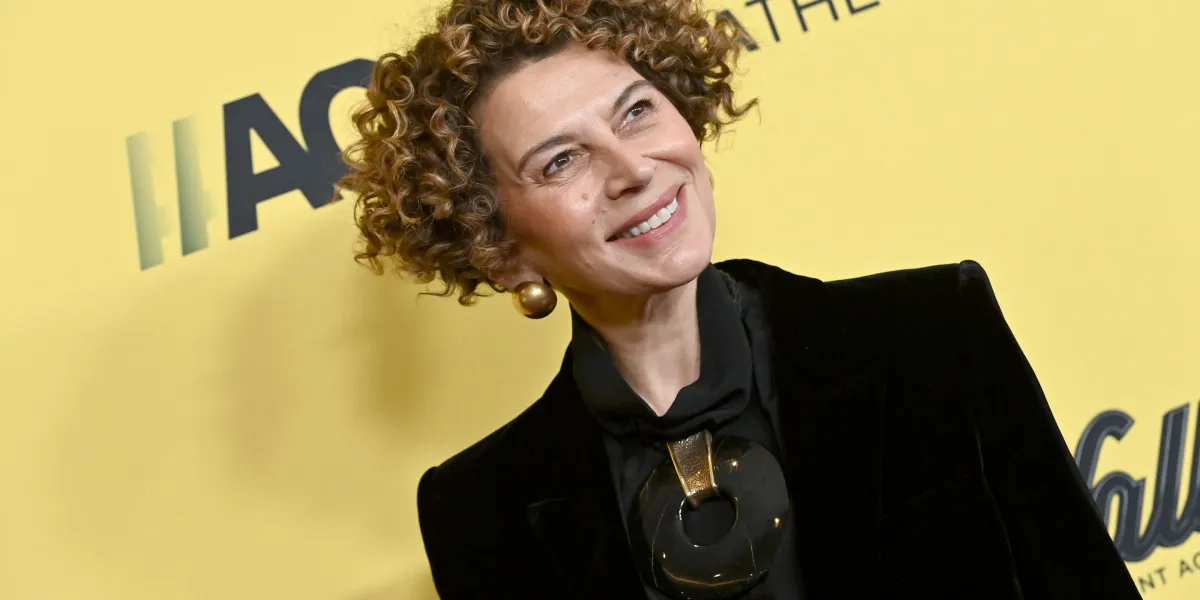
Candidates were evaluated across several dimensions, from the scale and impact of their role with the enterprise to their vision and influence beyond the company. There’s Josh D’Amaro of Disney, who oversees a worldwide experiences division embarking on a $60 billion expansion of parks, resorts, cruise ships, and next-generation guest experiences. Within Microsoft, Scott Guthrie’s record at Azure has put him at the center of the company’s cloud and AI strategy. Donna Langley at NBCUniversal is redefining the studio’s multi-platform strategy, while General Motors’ Mark Reuss oversees a broad operational portfolio, from engineering and manufacturing to battery strategy and global markets, making him a central architect of GM’s long-term competitiveness. Keep an eye, too, on Marianne Lake of JPMorgan Chase and Kate Gutmann of UPS.
As always, I’d love to hear your thoughts on candidates you think deserve a spot, and what qualities you think will determine success in the next generation of Fortune 500 CEOs.
Contact CEO Daily via Diane Brady at diane.brady@fortune.com
Top news
New jobs data
Today is a quirky jobs day that will shed some light on the state of the U.S. economy. The Bureau of Labor Statistics is releasing jobs numbers for November and October. But the data will be patchy because of disruptions caused by the government shutdown; there will be no October unemployment report, for instance. “We’re going to have to look at [the data] carefully and with a somewhat skeptical eye” because the figures may be “distorted by very technical factors,” Fed Chair Jerome Powell said.
PayPal as a bank
PayPal is taking advantage of the Trump administration’s looser rules towards fintech companies by applying to become a bank. The payments company says the designation will allow it to lend more to small businesses.
Introducing the U.S. ‘tech force’
The Trump Administration on Monday unveiled what it’s calling the U.S. “tech force” of 1,000 early career engineers and other specialists to research and develop AI and financial products for the federal government. Companies like Nvidia, Palantir, Amazon and Google will partner with the government on the initiative and second some of their own top talent to join its ranks.
Ford’s EV bust
Ford will record a $19.5 billion impairment for the rollback of parts of its EV strategy. The Detroit carmaker is contending with lower-than-expected demand for EVs and plans to halt production of some pure electric vehicles in favor of hybrid models.
Fed Chair finalists
President Trump could announce his pick for Fed chair before Christmas. Fortune’s Eleanor Pringle introduces us to the finalists and dissects their on-record opinions about the running of the central bank. This weekend, prediction markets were betting that the race had narrowed to a Kevin vs. Kevin contest.
McKinsey gets lean
McKinsey is planning to shirk its non-client facing departments by about 10% in coming months as it contends with a slowdown in its traditional services and flatlining revenue. Governments in China and Saudi Arabia, for instance, have cut back on using consulting firms.
Companies’ ‘93-7′ split
Bill Briggs, Deloitte’s chief technology officer, told Fortune’s Nick Lichtenberg that companies are pouring 93% of their AI budget into technology and only 7% into the people expected to use it. That lopsided investment is all wrong, Briggs says, since it focuses on the physical “ingredients” of AI and not the culture, workflow, and training needed to make the technology effective.
The markets
S&P 500 futures are down 0.25% this morning. The last session closed down 0.16%. STOXX Europe 600 was down 0.05% in early trading. The U.K.’s FTSE 100 was down 0.46% in early trading. Japan’s Nikkei 225 was down 1.56%. China’s CSI 300 was down 1.2%. The South Korea KOSPI was down 2.24%. India’s NIFTY 50 was down 0.64%. Bitcoin went to $87K.
Around the watercooler
Google cofounder Sergey Brin said he was ‘spiraling’ before returning to work on Gemini—and staying retired ‘would’ve been a big mistake’ by Marco Quiroz-Gutierrez
Former Meta integrity chief says new report reveals ‘disappointing’ ad fraud epidemic at the social-media giant by Lily Mae Lazarus
‘I had to take 60 meetings’: Jeff Bezos says ‘the hardest thing I’ve ever done’ was raising the first million dollars of seed capital for Amazon by Dave Smith
What happens to old AI chips? They’re still put to good use and don’t depreciate that fast, analyst says by Jason Ma
CEO Daily is compiled and edited by Claire Zillman and Lee Clifford.
