

Key Takeaways
- Inflation pressures are likely to persist in early 2026 owing to tariffs, Federal Reserve Chair Jerome Powell said after yesterday’s meeting of the central bank’s policy committee.
- While the Federal Reserve cut its benchmark interest rate this week, it will be closely watching for the impact from tariffs on prices as it evaluates its next actions.
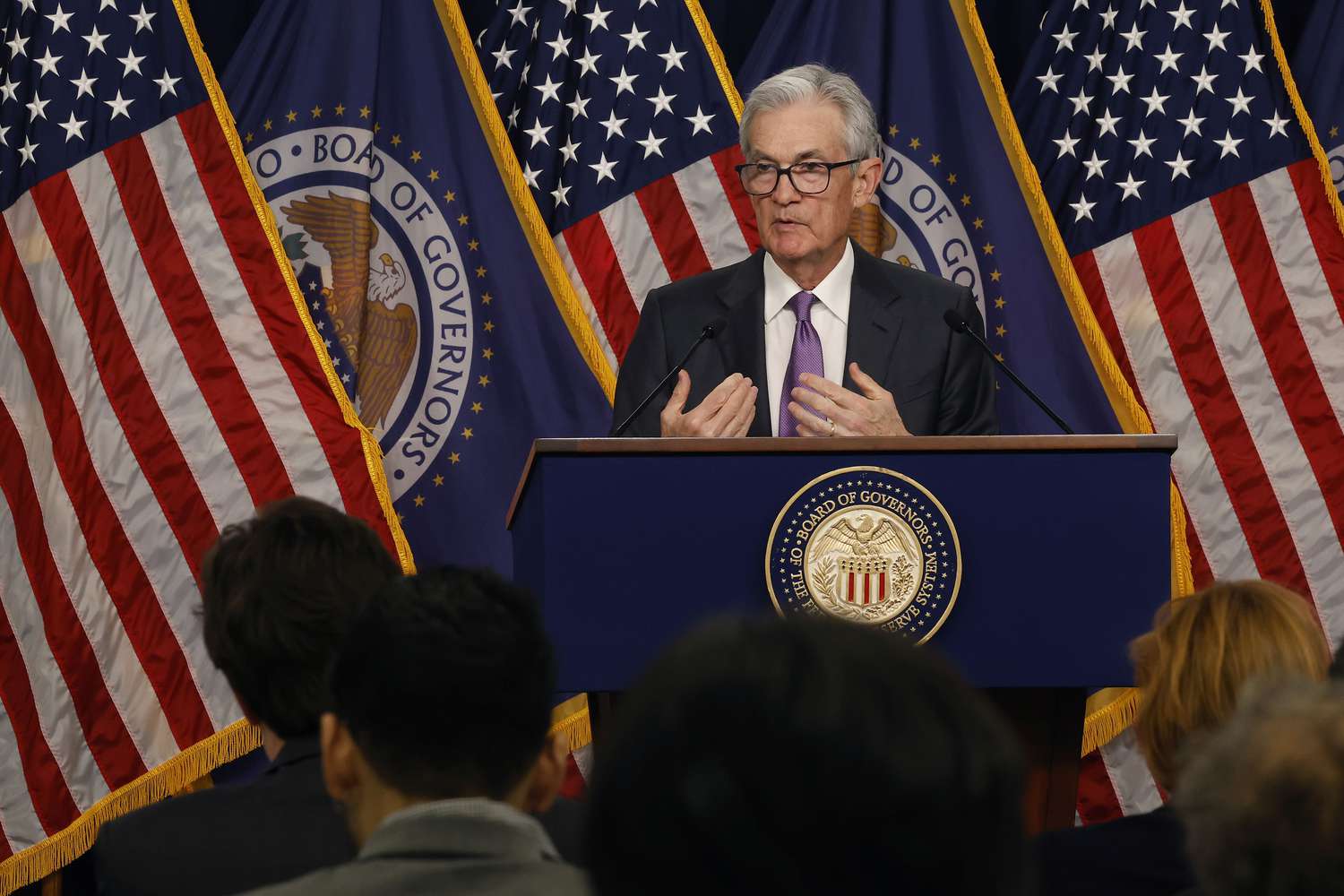
Inflation is likely to get worse before it gets better, and the Federal Reserve will be keeping a close eye on prices and tariffs next year before making its next move on interest rates, Fed Chair Jerome Powell warned yesterday.
“In the near term, risks to inflation are tilted to the upside and risks to employment to the downside, a challenging situation,” Powell said after the Fed moved Wednesday to reduce interest rates for the third straight meeting.
While the Fed sees inflation moderating overall next year, price pressures could remain high as the impact of President Donald Trump’s tariffs is just beginning to be felt, Powell said. “What’s happening here is services inflation coming down, and that’s offset by increases in goods, and that goods inflation is entirely in sectors where there are tariffs,” Powell said.
Why This is Important for the Economy
Tariff-driven inflation could affect the Fed’s interest-rate path, which influences borrowing costs and economic activity. Persistent price pressures may mean interest rates will stay higher for longer, which could slow growth and alter financial market trends.
Fed Sees Inflation Cooling Later in 2026
According to the Summary of Economic Projections released Wednesday, Fed officials see the Personal Consumption Expenditures (PCE) price index, the central bank’s preferred inflation gauge, falling to 2.4% in 2026, compared to the September forecast of 2.6%. The projection for “core inflation”, which excludes volatile food and energy costs, is also down slightly.
But before that, inflation could move higher, Powell warned, as it can be nine months or more before Trump’s tariffs can be fully factored into prices. The U.S. initiated a round of “reciprocal tariffs” in early August that raised import taxes on a number of trading partners.
“Inflation from goods should peak in the first quarter or so,” Powell said. “If there are no new tariffs that are being announced that will take nine months to get fully in …. then you should start to see that coming down in the back half of next year.”
The Fed went into this week’s meeting without much fresh inflation data to analyze, as most official economic reports were delayed or canceled owing to the government shutdown this fall.
“A reasonable base case is that the effects of tariffs on inflation will be relatively short-lived, effectively a one-time shift in the price level,” Powell said Wednesday. “Our obligation is to make sure that a one-time increase in the price level does not become an ongoing inflation problem.”
Fed May Stand Pat as It Aims for Inflation Target
The Federal Reserve has two congressionally mandated goals: keeping inflation low and the job market strong. Inflation has remained above the Fed’s target rate of 2%, with the most recent PCE report showing inflation at 2.8% in September. Meanwhile, the labor market is also showing weakness, which has been a key factor in the Fed’s recent decisions to cut rates.
It could be a while before the Fed cuts rates again, as language in its official statement indicated they were poised to hold rates at current levels for a few months to watch for the impact of inflation. Two members of the board voted against the rate cut, signaling that they thought the move could worsen price pressures.
Fed officials projected making just one further quarter-point rate cut next year, according to the Summary of Economic Projections. Financial market participants, meanwhile, aren’t pricing in a greater than 50% chance the Fed will cut rates before its late-April meeting, according to the CME Group’s FedWatch tool.
“Inflation must significantly cool for the committee to cut more than two times in 2026,” wrote Jeffrey Roach, chief economist for LPL Financial, who projected that the Fed wouldn’t move to lower interest rates again until the 2026 second quarter.
The outlook for rates will be heavily dependent on economic data in the coming months, and could be affected by leadership changes at the Fed. President Donald Trump has urged the Fed to cut interest rates and has been highly critical of Powell, whose term as chair expires in May.
