

Key Points
- CalMatters sued the UC Board of Regents on August 24 after UCLA refused to release records showing which student athletes share $20.5 million in direct payments.
- UCLA receives more than $30 million a year in institutional and government support for athletics, and already discloses every employee’s salary but says student athlete payments are private.
- A ruling against UCLA could set a national template, with a similar CalMatters petition against UC Berkeley coming and journalists pursuing comparable public records suits in New Mexico, Louisiana, and South Carolina.
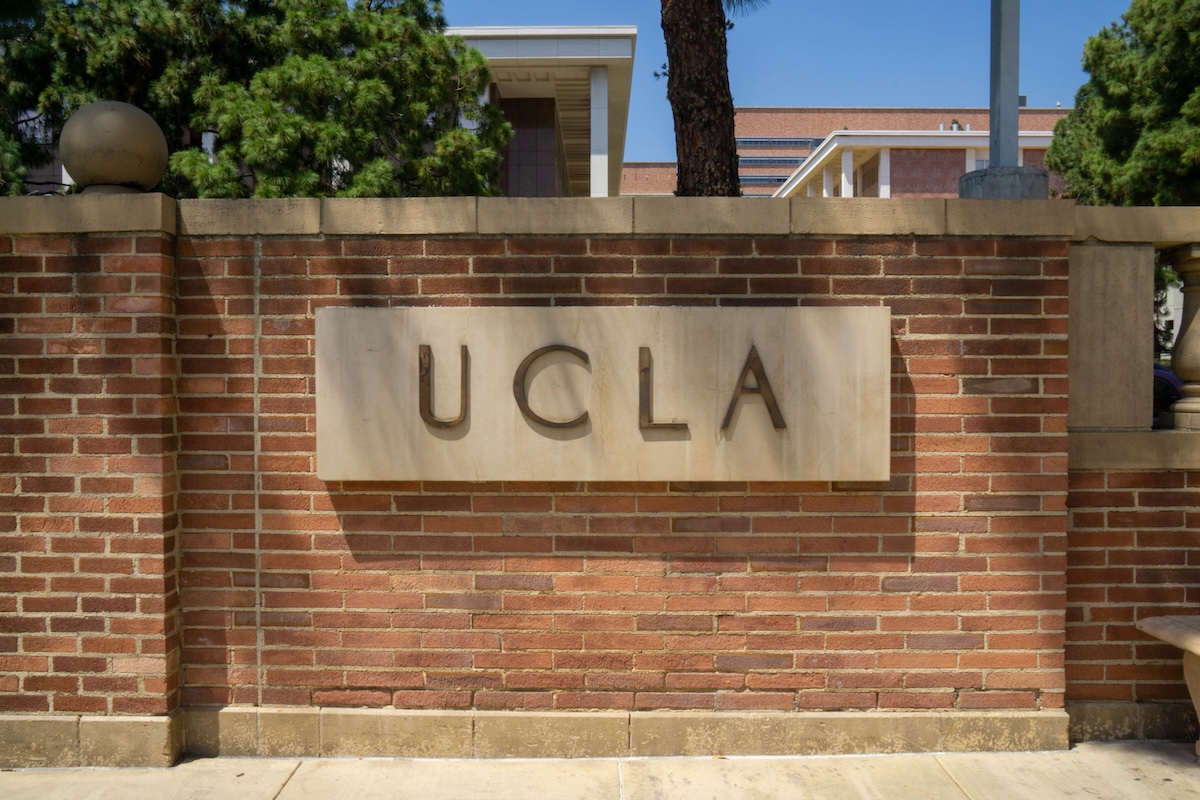
CalMatters filed a lawsuit against the University of California Board of Regents on August 24, asking the Los Angeles County Superior Court to force UCLA to turn over records showing which student athletes receive direct payments from the school. The petition, filed under the California Public Records Act, caps nearly a year of resistance.
CalMatters sent records requests to 16 UC and Cal State campuses starting in September 2025, and UCLA refused to produce a single payment record, even though taxpayer and tuition money routinely covers athletic department shortfalls at public universities.
UCLA and UC Berkeley each said they spent about $20.5 million paying athletes in 2025-26, the maximum allowed, with UCLA paying 229 athletes and Berkeley paying 147. Neither school would say which players or teams got the money and these payments are on top of traditional athletic scholarships and full-ride offers.
Why It Matters
Schools have only been allowed to pay athletes directly since July 1, 2025, when the House v. NCAA settlement took effect. For public colleges like UCLA, that means public funds are paying these athletes.
The petition says UCLA receives more than $30 million per year in institutional and government support to subsidize athletics, and about 20% of UCLA’s 2024-25 athletics budget came from its endowment or general fund (nearly 30% at Berkeley).
UCLA already discloses every employee’s pay, from its head football coach ($2.87 million in 2024) down to student workers, because the law requires it. Yet UCLA formally denied the records requests in December 2025, citing student privacy law, and ignored the outlet’s offer to accept records with personal information redacted.
Nationally, the median Division I program lost about $20 million in 2023-24, according to a GAO report and those shortfalls are paid through mandatory fees most families never see itemized.
What The Schools Disclosed
CalMatters’ requests did get some numbers from California’s public Division I athletics programs:
- UCLA: $20.5 million to 229 athletes. Football, men’s basketball, and women’s basketball receive “the majority,” per the school’s February response.
- UC Berkeley: $20.5 million to 147 athletes, with the same refusal to break it down.
- San Diego State: $8.66 million, with more than 60% going to football and about 3% to female athletes.
- UC Santa Barbara: $1.39 million across just 26 agreements (meaning the average agreement was worth $53,461).
- Smaller program payments: UC Irvine ($827,000), UC San Diego ($567,000), UC Riverside ($274,000), Cal State Long Beach ($231,000), and Cal Poly San Luis Obispo ($62,000).
- The rest: UC Davis, Cal State Fullerton, Cal State Northridge, and Cal State Bakersfield reported no payments. San Jose State, Fresno State, and Sacramento State produced nothing.
The Contract Fine Print
The template agreements campuses released raise their own questions. The contracts insist athletes are not employees (UC San Diego labels them independent contractors) and say the deals are not “pay-for-play,” even though students must keep playing to keep getting paid.
UCLA’s version goes further, telling athletes they cannot sue the campus for employment rights. That legal status shapes what athletes actually keep after taxes, agents, and financial aid formulas, since this income is taxable and can impact the FAFSA.
How This Connects
The new NCAA settlement rules allow colleges to pay athletes directly, but for public colleges, that’s also taxpayer money.
The revenue-sharing cap has climbed to $21.3 million per school for 2026-27, while college athletics as a whole ran a $7.7 billion deficit last year. That’s a gap covered in part by tuition and student fees.
CalMatters was the first outlet to detail athletes’ private NIL sponsorship deals, which athletes can still sign on top of their school payments.
If CalMatters prevails and we get to see what these NIL payments look like, families (and taxpayers) will get their first real look at where the money in college sports goes.
What’s Next
CalMatters says a similar petition against UC Berkeley is coming. This current petition asks the court to order UCLA to produce all non-exempt records and to award attorneys’ fees.
Journalists have filed comparable suits in New Mexico, Louisiana, and South Carolina, so a UCLA ruling could set the template nationally.
Watch whether the court orders names and team-level detail or settles for aggregate totals, a distinction that matters more as federal education data itself goes dark.
Robert Farrington is the founder of The College Investor and is widely recognized as one of the nation’s leading voices on student loan debt and saving for college. He holds an MBA from UC San Diego Rady School of Management and has spent over 15 years researching, writing, and advising on student loans, 529 plans, financial aid programs, and saving and investing for young professionals.
Robert has been featured in the The New York Times, The Wall Street Journal, The Washington Post, NBC News, and Forbes, where he has been a regular personal finance contributor for over a decade. His work combines both professional expertise and personal experience – he successfully navigated his own student loan repayment journey and has helped thousands of readers do the same.
He is committed to making the intersection of personal finance and education transparent and accessible. You can learn more about Robert on the About Page or on his personal site RobertFarrington.com.
